
 EN
EN
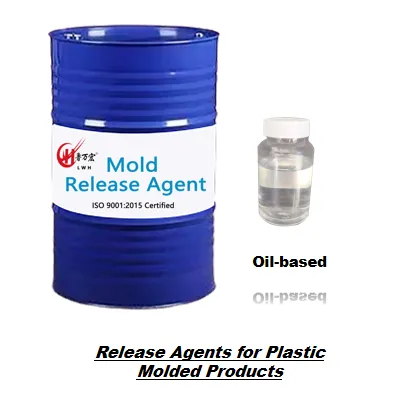
Manufacturing high-quality plastic components requires precision at every stage of production, and one of the most critical factors affecting success is the proper use of release agents. A plastic release agent serves as an essential barrier between molded parts and mold surfaces, preventing adhesion that can lead to costly production delays and defective products. Understanding how these specialized chemical formulations work and the problems they prevent is crucial for manufacturers seeking to optimize their molding operations and maintain consistent product quality.
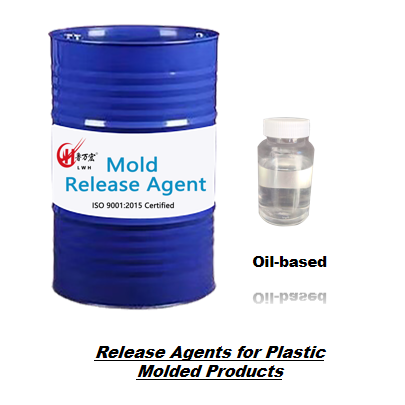
The molding process involves subjecting plastic materials to extreme temperatures and pressures, creating conditions where adhesion between the part and mold becomes highly likely without proper intervention. Modern plastic release agent formulations have evolved to address these challenges through advanced chemistry that creates effective separation layers while maintaining compatibility with various plastic types and molding processes.
Common Molding Problems Without Proper Release Agents
Part Sticking and Adhesion Issues
One of the most immediate and costly problems that occurs without effective release agent application is part sticking to mold surfaces. This adhesion can range from minor surface contact requiring additional force for ejection to complete bonding that damages both the part and the mold. When plastic materials cool and shrink within the mold cavity, they naturally want to conform to every microscopic detail of the mold surface, creating mechanical interlocks that resist separation.
The consequences of part sticking extend beyond simple production delays. Forced ejection of stuck parts often results in stress marks, surface defects, or complete part failure. Additionally, the excessive forces required for part removal can damage delicate mold features, leading to expensive repairs and extended downtime. A quality plastic release agent prevents these issues by creating a molecular barrier that eliminates direct contact between the plastic material and mold surface.
Temperature variations across the mold surface can exacerbate sticking problems, as areas with higher temperatures may experience greater thermal expansion and increased adhesion tendencies. Professional-grade release agents maintain their effectiveness across wide temperature ranges, ensuring consistent performance regardless of processing conditions.
Surface Quality Degradation
Surface imperfections represent another significant challenge that proper release agent application helps prevent. Without adequate lubrication between part and mold surfaces, microscopic irregularities in the mold can transfer to the plastic part, creating surface defects that compromise both appearance and functionality. These imperfections may appear as scratches, scuff marks, or textural inconsistencies that render parts unsuitable for their intended applications.
High-gloss applications are particularly susceptible to surface quality issues, as even minor imperfections become highly visible under normal lighting conditions. The use of specialized plastic release agent formulations designed for optical clarity applications helps maintain the pristine surface finish required for decorative and functional components in automotive, electronics, and consumer goods industries.
Contamination from previous molding cycles can also affect surface quality when release agents are not properly applied or renewed. Residual plastic material left on mold surfaces creates raised areas that imprint onto subsequent parts, creating a cascading quality problem that becomes increasingly difficult to resolve without complete mold cleaning and refinishing.
Mold Protection and Longevity Benefits
Preventing Mold Wear and Damage
The protective benefits of using appropriate plastic release agent extend significantly to mold preservation and longevity. Molds represent substantial capital investments, often costing tens of thousands of dollars and requiring weeks or months to manufacture. Protecting these valuable assets through proper release agent application directly impacts the bottom line by extending mold life and reducing replacement costs.
Direct contact between molten plastic and mold surfaces creates conditions for metal fatigue, thermal stress, and chemical corrosion. Over time, these factors contribute to mold deterioration, surface roughening, and dimensional changes that affect part quality. A properly applied plastic release agent creates a protective barrier that shields mold surfaces from direct exposure to aggressive plastic materials and processing conditions.
Abrasive wear from part ejection represents another significant threat to mold longevity. When parts stick to mold surfaces, the mechanical forces required for removal create sliding friction that gradually erodes mold features. This wear is particularly problematic in areas with fine details or complex geometries where replacement or repair may be difficult or impossible.
Reducing Maintenance Requirements
Consistent use of quality release agents dramatically reduces the frequency and intensity of mold maintenance requirements. Without proper release agent protection, molds accumulate plastic residue, oxidation products, and contamination that require aggressive cleaning procedures to remove. These cleaning operations not only consume valuable production time but also expose mold surfaces to potentially damaging chemicals and mechanical processes.
Regular plastic release agent application helps maintain mold surfaces in optimal condition, reducing the need for intensive cleaning cycles and extending the intervals between major maintenance procedures. This preventive approach to mold care results in improved production uptime and lower overall maintenance costs throughout the mold's operational life.
Temperature cycling during normal molding operations creates thermal stress that can accelerate mold degradation. Release agents with thermal stability properties help buffer these temperature effects, providing an additional layer of protection against thermal shock and expansion-related stresses that contribute to mold cracking and dimensional instability.
Production Efficiency and Quality Consistency
Eliminating Production Delays
Production efficiency suffers dramatically when release agent application is inadequate or inconsistent. Stuck parts require manual intervention to remove, often involving production line stops, operator assistance, and potential part damage that necessitates scrapping and rerunning. These interruptions cascade through the entire production schedule, affecting delivery commitments and increasing per-unit manufacturing costs.
Modern plastic release agent formulations are designed for rapid application and immediate effectiveness, allowing production teams to maintain consistent cycle times without sacrificing part quality. Automated application systems further enhance efficiency by ensuring uniform coverage and eliminating the variability associated with manual application methods.
The economic impact of production delays extends beyond immediate manufacturing costs to include expedited shipping charges, customer satisfaction issues, and potential penalty clauses in supply contracts. Reliable release agent performance helps manufacturers avoid these costly complications while maintaining the production flexibility needed to respond to changing market demands.
Maintaining Dimensional Accuracy
Dimensional accuracy represents a critical quality parameter that can be significantly affected by release agent performance. When parts stick to mold surfaces, the ejection process may cause elastic deformation that results in permanent dimensional changes. These variations can accumulate over production runs, leading to parts that fall outside specified tolerances and require costly rework or rejection.
Advanced plastic release agent formulations maintain consistent film thickness and distribution properties that ensure uniform part release without dimensional distortion. This consistency is particularly important for precision components used in aerospace, medical device, and automotive applications where tight tolerances are essential for proper fit and function.
Temperature-related dimensional changes during cooling can be exacerbated by inconsistent release agent coverage, leading to warpage and stress concentration in finished parts. Proper release agent selection and application help minimize these effects by promoting uniform heat transfer and stress distribution during the cooling phase of the molding cycle.
Chemical Compatibility and Material Safety
Preventing Chemical Reactions
Chemical compatibility between plastic release agent formulations and molded materials is essential for preventing unwanted reactions that can affect part properties or appearance. Some plastic materials are sensitive to specific chemical compounds commonly found in release agents, potentially leading to stress cracking, discoloration, or mechanical property degradation.
Modern release agent manufacturers have developed specialized formulations tailored to specific plastic types and processing conditions. These targeted solutions eliminate the risk of chemical incompatibility while providing superior release performance for challenging applications. Understanding the interaction between release agents and plastic materials is crucial for selecting the most appropriate product for each application.
Long-term exposure to incompatible release agents can cause subtle but significant changes in plastic properties that may not become apparent until parts are subjected to service conditions. Proper chemical compatibility testing and release agent selection help prevent these delayed failures that can result in costly warranty claims and reputation damage.
Environmental and Safety Considerations
Environmental regulations and workplace safety requirements have driven the development of more sustainable plastic release agent formulations that deliver excellent performance while minimizing health and environmental impacts. Traditional solvent-based release agents are being replaced by water-based and bio-derived alternatives that offer comparable effectiveness with improved safety profiles.
Proper ventilation and exposure control measures remain important regardless of release agent type, but newer formulations significantly reduce the risk of respiratory irritation and long-term health effects associated with prolonged exposure. These improvements benefit both workers and manufacturing facilities by reducing compliance burdens and improving workplace conditions.
Waste reduction and disposal considerations also factor into release agent selection decisions. Products with longer service life, lower application rates, and more environmentally friendly disposal characteristics help manufacturers meet sustainability goals while maintaining operational efficiency.
Specialized Applications and Industry Requirements
High-Temperature Processing
High-temperature molding operations present unique challenges that require specialized plastic release agent formulations capable of maintaining effectiveness under extreme thermal conditions. Engineering plastics such as PEEK, PPS, and high-temperature nylons require processing temperatures that can exceed 400°C, creating conditions that rapidly degrade conventional release agents.
Thermal stability becomes the primary performance criterion for release agents used in these demanding applications. Advanced formulations incorporate heat-resistant base oils, thermally stable additives, and protective compounds that maintain lubrication properties even at elevated temperatures. These specialized products prevent thermal breakdown that can lead to carbon residue formation and subsequent part contamination.
The relationship between processing temperature and release agent performance is complex, as higher temperatures generally improve flow and coverage characteristics while simultaneously accelerating chemical degradation. Optimal formulations balance these competing factors to deliver consistent performance across the entire temperature range encountered during molding operations.
Food-Grade and Medical Applications
Food contact and medical device applications impose strict regulatory requirements on plastic release agent formulations, limiting permissible ingredients to those approved for direct or indirect food contact. FDA regulations and medical device standards require extensive documentation and testing to demonstrate product safety and compliance with applicable regulations.
Specialized food-grade plastic release agent products incorporate only approved ingredients while maintaining the release performance necessary for efficient production of containers, packaging, and food processing equipment. These formulations often utilize naturally derived base materials and avoid synthetic additives that might migrate into food products or compromise material biocompatibility.
Medical device manufacturing presents additional challenges related to sterilization compatibility, as many release agents may be affected by gamma radiation, ethylene oxide, or steam sterilization processes. Understanding these interactions is essential for selecting appropriate products that maintain their effectiveness throughout the entire manufacturing and sterilization cycle.
FAQ
How often should plastic release agent be applied during production runs
The frequency of plastic release agent application depends on several factors including mold material, part complexity, processing temperatures, and production volume. Generally, release agents should be reapplied every 10-50 shots for most applications, though high-temperature or aggressive materials may require more frequent application. Modern semi-permanent release agents can provide effective coverage for 100-500 shots when properly applied. Monitoring part release quality and ejection force requirements helps determine optimal reapplication intervals for specific production conditions.
Can using too much release agent cause problems with part quality
Excessive plastic release agent application can indeed create quality issues including surface contamination, paint adhesion problems, and dimensional variations. Over-application may result in agent buildup on mold surfaces, leading to surface defects on molded parts. Additionally, excess release agent can interfere with secondary operations such as painting, bonding, or printing. Proper application techniques focus on achieving uniform, thin coverage that provides effective release without creating excess residue. Automated application systems help maintain consistent coverage levels and prevent over-application issues.
What are the signs that indicate a release agent is not working properly
Several indicators suggest inadequate plastic release agent performance, including increased ejection forces, part sticking, surface defects, and visible mold wear patterns. Parts may show stress marks, scratches, or dimensional variations when release performance is compromised. Unusual sounds during ejection, extended cycle times, and frequent production stops for stuck parts are additional warning signs. Regular monitoring of these parameters helps identify release agent performance issues before they result in significant production problems or mold damage.
Are water-based release agents as effective as solvent-based formulations
Modern water-based plastic release agent formulations have achieved performance levels comparable to traditional solvent-based products while offering significant advantages in terms of safety, environmental impact, and regulatory compliance. Water-based products typically provide excellent release properties, reduced fire hazard, lower volatile organic compound emissions, and easier cleanup procedures. However, application techniques may differ slightly, and some specialized high-temperature applications may still benefit from solvent-based formulations. The choice between water-based and solvent-based products should consider specific application requirements, regulatory constraints, and facility capabilities.