
 EN
EN
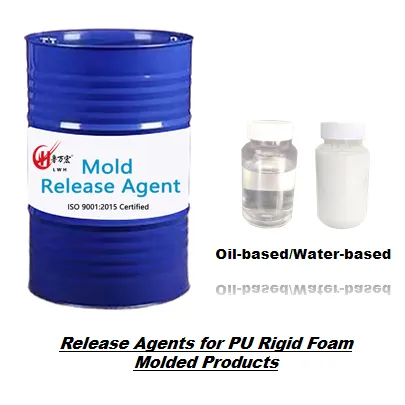
Manufacturing polyurethane foam products requires specialized surface treatments to prevent adhesion between molds and finished components. The effectiveness of PU foam release coatings directly impacts production efficiency, part quality, and overall manufacturing costs. Understanding the fundamental principles behind coating longevity and build-up prevention ensures consistent performance across extended production cycles while maintaining superior surface finishes on molded products.
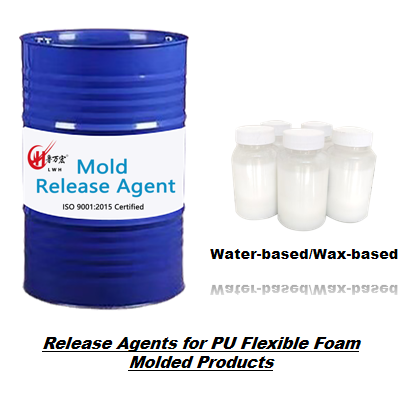
Industrial applications demand release systems that maintain consistent performance without accumulating residual material on mold surfaces. Advanced PU foam release coatings incorporate proprietary formulations designed to minimize transfer while providing reliable separation characteristics. These specialized coatings must balance effective release properties with minimal residue formation, ensuring extended service intervals between mold cleaning operations.
Modern manufacturing environments require solutions that adapt to varying production parameters while delivering predictable results. The selection of appropriate PU foam release coatings involves evaluating multiple factors including foam chemistry, mold materials, operating temperatures, and cycle times. Professional-grade release systems offer enhanced durability and reduced maintenance requirements compared to conventional alternatives.
Chemical Composition and Performance Characteristics
Silicone-Based Release Systems
Silicone-based PU foam release coatings provide excellent thermal stability and chemical resistance across diverse operating conditions. These formulations create ultra-thin barrier films that prevent foam adhesion while maintaining exceptional durability. The molecular structure of silicone polymers offers inherent release properties that remain effective through multiple production cycles without significant degradation.
Advanced silicone systems incorporate reactive components that crosslink upon application, forming durable surface treatments resistant to mechanical wear and chemical attack. These crosslinked films demonstrate superior longevity compared to traditional wax-based alternatives, reducing application frequency and associated downtime. The low surface energy characteristics of cured silicone films ensure consistent release performance across varying foam formulations.
Wax-Based Coating Technologies
Traditional wax-based PU foam release coatings rely on physical barrier formation through controlled deposition of refined hydrocarbon compounds. These systems offer cost-effective solutions for applications with moderate performance requirements and regular maintenance schedules. Wax formulations can be customized to match specific operating parameters including temperature ranges and foam chemistry compatibility.
Modern wax-based systems incorporate synthetic polymers and additives that enhance film durability and reduce build-up tendencies. The controlled melting characteristics of these formulations enable self-leveling properties that maintain uniform coverage across complex mold geometries. Proper application techniques ensure optimal performance while minimizing excess material accumulation.
Application Methodologies and Equipment
Spray Application Systems
Automated spray systems provide precise control over PU foam release coatings application parameters including coverage uniformity, film thickness, and material consumption rates. These systems utilize specialized nozzle configurations and pressure controls to achieve consistent coating distribution across all mold surfaces. Advanced spray equipment incorporates programmable controllers that optimize application patterns based on mold geometry and production requirements.
High-volume low-pressure spray systems minimize overspray and material waste while ensuring adequate coverage of complex surface features. The atomization characteristics of HVLP equipment produce fine droplet patterns that promote uniform film formation without excessive build-up in recessed areas. Proper spray system maintenance and calibration ensure consistent performance throughout extended production campaigns.
Brush and Manual Application Techniques
Manual application methods for PU foam release coatings offer flexibility for prototype development and low-volume production scenarios. Specialized brush designs and application tools enable precise coating placement in areas requiring enhanced release performance. Manual techniques allow for real-time adjustments based on observed foam behavior and surface conditions.
Professional-grade brushes and applicators minimize streaking and ensure uniform film thickness across treated surfaces. The controlled application rates achievable through manual methods reduce material consumption while maintaining adequate release performance. Training programs for application personnel ensure consistent results and optimal coating longevity.
Build-Up Prevention Strategies
Surface Preparation Protocols
Effective build-up prevention begins with comprehensive surface preparation procedures that remove contaminants and previous coating residues. Proper cleaning protocols ensure optimal adhesion of fresh PU foam release coatings while eliminating potential sources of accumulation. Standardized cleaning procedures incorporate appropriate solvents and mechanical cleaning methods based on mold materials and contamination types.
Alkaline cleaning solutions effectively remove organic residues and foam remnants without damaging mold surfaces. Ultrasonic cleaning systems provide enhanced cleaning effectiveness for complex geometries and intricate surface features. Post-cleaning inspection procedures verify surface condition and readiness for coating application.
Controlled Film Thickness Management
Maintaining optimal film thickness prevents excessive accumulation while ensuring adequate release performance throughout production cycles. Precision application equipment enables accurate control over coating deposition rates and final film characteristics. Regular monitoring of film thickness using appropriate measurement tools ensures compliance with established parameters.
Automated thickness monitoring systems provide real-time feedback during application processes, enabling immediate adjustments to maintain target specifications. Digital measurement devices offer non-destructive evaluation of coating thickness across multiple surface locations. Documentation of thickness measurements supports quality control procedures and process optimization efforts.
Maintenance and Monitoring Procedures
Regular Inspection Protocols
Systematic inspection procedures for PU foam release coatings identify potential issues before they impact production quality or efficiency. Visual examination techniques detect early signs of coating degradation, contamination, or uneven wear patterns. Scheduled inspections coincide with production breaks to minimize disruption while ensuring thorough evaluation of coating condition.
Digital inspection tools including high-resolution cameras and surface measurement devices provide objective assessment of coating performance. Standardized inspection checklists ensure consistent evaluation criteria and documentation of observed conditions. Trend analysis of inspection data enables predictive maintenance scheduling and optimization of coating application intervals.
Performance Monitoring Systems
Advanced monitoring systems track key performance indicators for PU foam release coatings including release force measurements, surface quality assessments, and production efficiency metrics. Automated data collection systems provide continuous monitoring without interrupting manufacturing operations. Real-time performance data enables immediate response to degrading conditions before quality issues occur.
Statistical process control methods analyze performance trends and identify optimization opportunities for coating systems. Integration of monitoring data with production management systems provides comprehensive visibility into coating effectiveness across multiple production lines. Predictive analytics capabilities forecast maintenance requirements and optimize coating replacement schedules.
Advanced Coating Technologies
Nano-Enhanced Release Systems
Nanotechnology integration in PU foam release coatings delivers enhanced performance characteristics including improved durability, reduced build-up tendencies, and superior release properties. Nano-scale additives modify surface energy and friction characteristics at the molecular level, creating ultra-smooth surfaces that resist foam adhesion. These advanced formulations demonstrate extended service life compared to conventional coating systems.
Engineered nanoparticles provide self-cleaning properties that minimize contamination accumulation and maintain consistent release performance. The uniform distribution of nano-additives throughout coating films ensures consistent properties across all surface areas. Advanced manufacturing techniques enable precise control over nanoparticle concentration and distribution patterns.
Smart Coating Formulations
Intelligent coating systems for PU foam release coatings incorporate responsive components that adapt to changing operating conditions automatically. Temperature-sensitive formulations adjust release characteristics based on mold temperature variations, maintaining optimal performance across diverse production scenarios. These adaptive systems reduce the need for manual adjustments and ensure consistent results.
Self-indicating coating technologies provide visual feedback regarding coating condition and remaining service life. Color-change indicators signal when reapplication becomes necessary, eliminating guesswork and preventing premature coating failure. Smart formulations optimize material utilization while maintaining superior release performance throughout their service interval.
Quality Control and Testing Procedures
Release Performance Evaluation
Comprehensive testing protocols for PU foam release coatings evaluate multiple performance parameters including release force, surface finish quality, and coating durability. Standardized test methods ensure consistent evaluation criteria and reliable performance comparisons between different coating systems. Laboratory testing procedures simulate actual production conditions to validate coating effectiveness.
Quantitative measurement techniques assess release characteristics using calibrated force measurement equipment and standardized test specimens. Surface roughness measurements evaluate the impact of coating systems on finished part quality. Accelerated aging tests predict long-term performance under various environmental conditions.
Contamination Analysis Methods
Advanced analytical techniques identify contamination sources and evaluate their impact on PU foam release coatings performance. Spectroscopic analysis methods characterize coating composition and detect foreign material presence. Microscopic examination reveals surface morphology changes and contamination distribution patterns.
Chemical analysis procedures determine compatibility between foam formulations and release coating systems. Thermal analysis techniques evaluate coating stability under elevated temperature conditions. Comprehensive contamination assessment enables development of targeted prevention strategies and optimized cleaning procedures.
FAQ
How often should PU foam release coatings be reapplied during production
The reapplication frequency for PU foam release coatings depends on several factors including coating type, foam formulation, operating temperature, and production volume. High-performance silicone-based systems typically provide 50-200 cycles before requiring reapplication, while wax-based systems may need renewal every 10-50 cycles. Regular monitoring of release performance and surface condition helps determine optimal reapplication timing for specific applications.
What causes build-up formation on mold surfaces despite using quality release coatings
Build-up formation occurs due to various factors including excessive coating application, inadequate surface preparation, contaminated release agents, or incompatible foam formulations. Operating temperatures outside recommended ranges can cause coating degradation and residue formation. Proper application techniques, regular cleaning protocols, and compatibility testing prevent most build-up issues while maintaining consistent release performance.
Can different types of PU foam release coatings be mixed or layered for enhanced performance
Mixing different PU foam release coatings types is generally not recommended as chemical incompatibilities can reduce effectiveness and cause performance issues. However, some manufacturers develop compatible multi-component systems designed for layered application. Always consult technical data sheets and conduct compatibility testing before combining different release coating products to ensure optimal performance and avoid potential problems.
What safety precautions are necessary when applying PU foam release coatings in industrial settings
Safety precautions for PU foam release coatings application include adequate ventilation, appropriate personal protective equipment, and proper handling procedures. Respiratory protection prevents inhalation of coating vapors or overspray particles. Eye protection and chemical-resistant gloves protect against direct contact. Fire prevention measures address potential ignition sources when using solvent-based coatings. Regular safety training ensures proper handling techniques and emergency response procedures.
Table of Contents
- Chemical Composition and Performance Characteristics
- Application Methodologies and Equipment
- Build-Up Prevention Strategies
- Maintenance and Monitoring Procedures
- Advanced Coating Technologies
- Quality Control and Testing Procedures
-
FAQ
- How often should PU foam release coatings be reapplied during production
- What causes build-up formation on mold surfaces despite using quality release coatings
- Can different types of PU foam release coatings be mixed or layered for enhanced performance
- What safety precautions are necessary when applying PU foam release coatings in industrial settings