
 EN
EN
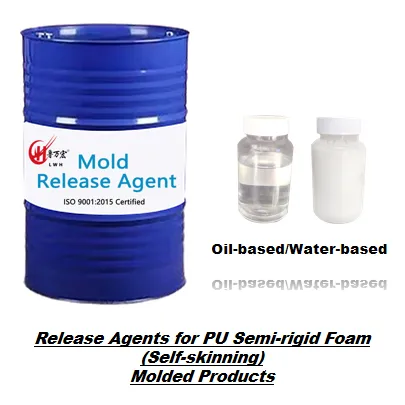
The performance evaluation of PU release agents represents a critical aspect of polyurethane manufacturing processes, directly impacting product quality, production efficiency, and operational costs. These specialized chemical formulations serve as essential barriers between polyurethane materials and mold surfaces, preventing unwanted adhesion while ensuring clean part removal. Understanding the core performance metrics for PU release agents enables manufacturers to make informed decisions regarding product selection, application protocols, and quality control measures that ultimately determine manufacturing success.
Chemical Composition and Formulation Metrics
Active Ingredient Concentration
The concentration of active ingredients in PU release agents forms the foundation of their performance characteristics. These concentrations typically range from 15% to 85% depending on the specific application requirements and delivery method. Higher concentrations generally provide superior release properties but may increase material costs and require more precise application techniques. Manufacturers must balance active ingredient levels to achieve optimal performance while maintaining cost-effectiveness and environmental compliance standards.
The primary active ingredients in PU release agents include various silicone compounds, fluorinated materials, and specialized waxes that create the necessary barrier between polyurethane and mold surfaces. Each component contributes specific properties such as thermal stability, chemical resistance, and surface tension modification. Understanding these concentration metrics allows manufacturers to predict performance outcomes and adjust formulations based on specific production requirements.
Thermal Stability Parameters
Thermal stability metrics for PU release agents encompass decomposition temperatures, volatility characteristics, and performance retention under elevated temperature conditions. These parameters become particularly critical in applications involving high-temperature polyurethane processing where inadequate thermal stability can lead to premature breakdown and compromised release performance. Typical operating temperature ranges for quality PU release agents extend from ambient conditions up to 250°C or higher.
The measurement of thermal stability involves sophisticated analytical techniques including thermogravimetric analysis and differential scanning calorimetry. These methods provide detailed insights into material behavior under various temperature profiles, enabling manufacturers to select appropriate PU release agents for specific thermal environments. Proper thermal stability ensures consistent performance throughout extended production runs and prevents mold contamination issues that can arise from agent decomposition.
Surface Performance Characteristics
Release Force Measurements
Release force measurements represent one of the most critical performance metrics for evaluating PU release agents effectiveness. These measurements quantify the force required to separate cured polyurethane parts from mold surfaces, with lower values indicating superior release performance. Industry standards typically specify maximum acceptable release forces based on part geometry, material properties, and production requirements. Advanced testing equipment can measure forces with precision down to single newton increments.
The testing methodology for release force evaluation involves standardized procedures that account for variables such as contact time, temperature, pressure, and surface preparation. Consistent measurement protocols ensure reliable data that enables meaningful comparisons between different PU release agents formulations. These metrics directly correlate with production efficiency, as reduced release forces translate to faster cycle times and decreased risk of part damage during demolding operations.
Surface Roughness and Texture Transfer
Surface roughness parameters provide insights into how PU release agents affect the final surface quality of molded polyurethane products. Effective release agents should minimize surface irregularities while preserving desired texture characteristics that may be intentionally molded into parts. Measurement techniques include profilometry and surface analysis methods that quantify roughness values in micrometers, providing objective data for quality control purposes.
Texture transfer capabilities of PU release agents determine their suitability for applications requiring specific surface finishes or decorative elements. High-quality formulations maintain excellent release properties while allowing faithful reproduction of mold surface details. This balance requires careful optimization of agent chemistry and application parameters to achieve consistent results across diverse production scenarios involving various polyurethane formulations and processing conditions.
Durability and Longevity Metrics
Application Coverage and Build-up Characteristics
Coverage metrics for PU release agents encompass both initial application efficiency and long-term build-up behavior on mold surfaces. Optimal coverage requires minimal material usage while providing complete surface protection against polyurethane adhesion. These characteristics directly impact material consumption rates, application frequency requirements, and overall production economics. Typical coverage rates range from 0.1 to 0.5 grams per square meter depending on application method and agent formulation.
Build-up characteristics describe how PU release agents accumulate on mold surfaces over multiple production cycles. Controlled build-up can enhance release performance by creating more effective barrier layers, while excessive accumulation may lead to part defects or dimensional variations. Understanding these metrics enables manufacturers to establish optimal maintenance schedules and application protocols that maximize agent effectiveness while preventing negative impacts on product quality.
Multiple Release Cycles Performance
The ability of PU release agents to maintain consistent performance across multiple release cycles represents a crucial economic and operational metric. High-performance formulations can provide effective release properties for dozens or even hundreds of production cycles before requiring reapplication. This longevity directly impacts production costs, maintenance requirements, and overall manufacturing efficiency in continuous production environments.
Cycle testing protocols involve repeated molding operations under controlled conditions while monitoring release performance parameters such as force measurements, surface quality, and visual appearance. These comprehensive evaluations provide data on performance degradation rates and help establish optimal reapplication intervals. Superior PU release agents demonstrate minimal performance variation throughout their effective service life, ensuring consistent product quality and predictable production outcomes.
Environmental and Safety Metrics
Volatile Organic Compound Emissions
Environmental compliance metrics for PU release agents include volatile organic compound emissions, biodegradability characteristics, and overall environmental impact assessments. Regulatory requirements increasingly emphasize the need for low-emission formulations that minimize workplace exposure and environmental release of harmful substances. Modern PU release agents must balance performance requirements with environmental responsibility, often incorporating bio-based or environmentally benign components.
VOC emission testing involves sophisticated analytical methods that quantify specific compounds released during application and processing operations. These measurements ensure compliance with local and international environmental regulations while providing data for workplace safety assessments. Low-VOC PU release agents offer improved working conditions and reduced environmental impact without compromising essential performance characteristics required for successful polyurethane manufacturing operations.
Worker Safety and Handling Parameters
Safety metrics for PU release agents encompass toxicity data, skin and respiratory sensitization potential, and handling precautions necessary for safe workplace use. Comprehensive safety documentation includes material safety data sheets that detail exposure limits, personal protective equipment requirements, and emergency response procedures. These parameters ensure worker protection while enabling informed decision-making regarding agent selection and application protocols.
The evaluation of safety parameters involves extensive toxicological testing and risk assessment procedures that identify potential health hazards associated with PU release agents exposure. Modern formulations increasingly emphasize reduced toxicity and improved handling characteristics while maintaining superior release performance. This focus on safety drives innovation in agent chemistry and contributes to overall improvements in workplace conditions within polyurethane manufacturing facilities.
Application and Processing Metrics
Spray Pattern and Atomization Quality
Application metrics for PU release agents include spray pattern uniformity, atomization characteristics, and coverage consistency across complex mold geometries. These parameters directly influence agent effectiveness and material utilization efficiency. Proper atomization ensures even distribution while minimizing overspray and material waste. Advanced application systems incorporate precise control mechanisms that optimize spray parameters for specific agent formulations and mold configurations.
The measurement of spray quality involves specialized equipment that analyzes droplet size distribution, velocity patterns, and coverage uniformity. These detailed assessments enable optimization of application parameters such as pressure, flow rate, and nozzle selection. Consistent spray quality ensures reliable PU release agents performance while minimizing material consumption and reducing environmental emissions associated with overspray and waste disposal.
Curing and Drying Time Requirements
Curing time metrics for PU release agents determine the minimum delay required between application and polyurethane processing operations. These timeframes directly impact production scheduling and cycle efficiency, making rapid-curing formulations highly desirable for high-volume manufacturing applications. Typical curing times range from seconds to several minutes depending on agent chemistry, environmental conditions, and application thickness.
The optimization of curing characteristics involves balancing rapid processing requirements with thorough agent development on mold surfaces. Accelerated curing may compromise release effectiveness if insufficient time is allowed for proper film formation and surface preparation. Understanding these timing requirements enables manufacturers to develop efficient production schedules that maximize throughput while ensuring consistent PU release agents performance throughout extended production runs.
Quality Control and Testing Protocols
Analytical Testing Methods
Comprehensive quality control for PU release agents requires sophisticated analytical testing methods that evaluate chemical composition, physical properties, and performance characteristics. These methods include gas chromatography for active ingredient analysis, thermal analysis for stability assessment, and mechanical testing for release force evaluation. Standardized testing protocols ensure consistent data quality and enable meaningful comparisons between different formulations and suppliers.
The implementation of robust analytical methods supports continuous improvement efforts and enables rapid identification of performance variations that could impact production quality. Regular testing schedules help maintain consistent PU release agents performance while providing early warning of potential issues that might affect manufacturing operations. These quality control measures represent essential components of comprehensive manufacturing quality systems.
Statistical Process Control Applications
Statistical process control methods provide powerful tools for monitoring PU release agents performance trends and identifying process variations that could impact product quality. These techniques involve systematic data collection and analysis that enables proactive management of agent performance parameters. Control charts and statistical analysis methods help distinguish between normal process variation and significant changes that require corrective action.
The application of statistical methods to PU release agents performance monitoring supports data-driven decision making and continuous improvement initiatives. These approaches enable manufacturers to optimize agent selection, application protocols, and maintenance schedules based on objective performance data rather than subjective assessments. Statistical analysis also supports supplier evaluation and quality assurance activities that ensure consistent material performance throughout extended production periods.
FAQ
What is the optimal application thickness for PU release agents?
The optimal application thickness for PU release agents typically ranges from 0.5 to 2.0 micrometers, depending on the specific formulation and application requirements. Thinner applications may not provide adequate release properties, while excessive thickness can lead to part defects or dimensional variations. The key is achieving uniform coverage that provides complete barrier protection without compromising surface quality or dimensional accuracy of molded parts.
How do temperature variations affect PU release agents performance?
Temperature variations significantly impact PU release agents performance through effects on viscosity, curing rates, and thermal stability. Higher temperatures generally accelerate curing but may cause premature degradation if thermal limits are exceeded. Lower temperatures can slow application and curing processes while potentially affecting release effectiveness. Maintaining optimal temperature control throughout application and processing operations ensures consistent agent performance and reliable production outcomes.
What factors determine the frequency of PU release agents reapplication?
Reapplication frequency for PU release agents depends on multiple factors including agent durability, polyurethane formulation aggressiveness, processing temperature, and mold surface conditions. High-quality agents may provide effective release for 50-200 cycles, while demanding applications might require more frequent reapplication. Monitoring release force measurements and visual inspection of molded parts helps determine optimal reapplication schedules that balance performance requirements with material costs and production efficiency.
How do PU release agents affect the surface finish of molded parts?
PU release agents can significantly influence the surface finish of molded polyurethane parts through effects on texture transfer, gloss levels, and surface defects. High-quality agents preserve mold surface details while preventing adhesion, maintaining faithful reproduction of intended surface characteristics. Poor-quality agents may cause surface irregularities, reduced gloss, or texture degradation that affects part appearance and functional performance. Proper agent selection and application techniques ensure optimal surface quality outcomes.