
 EN
EN
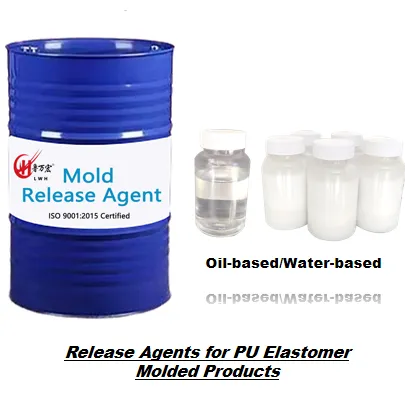
Modern polyurethane manufacturing demands precise control over every production variable, with mold release efficiency standing as one of the most critical factors determining product quality and operational costs. The strategic application of specialized PU release agent formulations has revolutionized how manufacturers approach flexible foam molding processes, delivering unprecedented improvements in cycle times and surface finish quality.
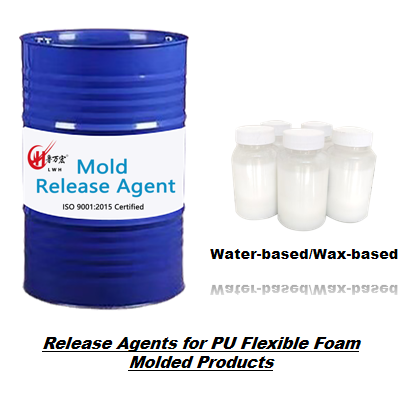
The chemical complexity of polyurethane reactions creates unique challenges for mold release applications, requiring advanced formulation strategies that address both thermal stability and chemical compatibility. Understanding how PU release agent technology interfaces with polyurethane chemistry provides manufacturers with the knowledge needed to optimize their molding operations and achieve consistent, high-quality results across diverse production environments.
Chemical Foundation of PU Release Agent Performance
Molecular Structure and Release Mechanisms
The effectiveness of any PU release agent depends fundamentally on its molecular architecture and how these structures interact with both the mold surface and the curing polyurethane matrix. Advanced release agent formulations incorporate carefully selected siloxane polymers and fluorinated compounds that create ultra-thin barrier layers between the mold and the forming polymer. These molecular barriers function through a combination of low surface energy principles and selective chemical inertness that prevents adhesive bonding while maintaining optimal heat transfer characteristics.
Contemporary PU release agent chemistry leverages controlled molecular weight distributions to achieve optimal film formation and durability properties. The siloxane backbone provides thermal stability up to 250°C while maintaining flexibility at typical molding temperatures. Meanwhile, carefully positioned functional groups enable proper wetting and adhesion to mold surfaces without interfering with polyurethane cure kinetics or final product properties.
Thermal Stability and Processing Compatibility
Processing temperatures in polyurethane molding operations typically range from 40°C to 80°C for flexible foam applications, requiring PU release agent formulations that maintain consistent performance across this temperature spectrum. Advanced thermal analysis reveals that optimal release agents exhibit minimal viscosity changes and maintain uniform coverage even during extended heating cycles. This thermal consistency directly translates to predictable release performance and reduced defect rates in production environments.
The chemical compatibility between PU release agent components and polyurethane precursors requires careful consideration of potential cross-reactions or contamination effects. Modern formulations incorporate chemically inert components that resist interaction with isocyanates, polyols, and catalysts while providing reliable barrier protection. This selective inertness ensures that release agent residues do not compromise subsequent bonding operations or surface treatments on finished products.
Application Techniques and Coverage Optimization
Spray Application Methodologies
Effective spray application of PU release agent requires precise control over droplet size, coverage uniformity, and application timing to achieve optimal results. Professional spray systems typically operate at 20-30 PSI with specialized nozzles designed to produce consistent 50-80 micron droplet distributions. This controlled atomization ensures uniform coverage while minimizing waste and preventing excessive buildup that could interfere with part surface quality or dimensional accuracy.
The timing of PU release agent application relative to mold temperature and polyurethane injection significantly impacts release performance and cycle efficiency. Optimal application occurs when mold surfaces reach 45-55°C, allowing proper film formation while preventing premature degradation. Advanced production facilities implement automated spray systems with integrated temperature monitoring to maintain consistent application parameters throughout production runs.
Coverage Calculation and Efficiency Metrics
Determining optimal PU release agent coverage rates requires careful analysis of mold geometry, surface texture, and production cycle requirements. Industry standards typically specify coverage rates between 0.8-1.2 grams per square meter for most flexible foam applications, though complex geometries or aggressive formulations may require adjusted application rates. Precise coverage measurement enables manufacturers to optimize material usage while maintaining reliable release performance.
Monitoring systems that track PU release agent consumption relative to production output provide valuable insights into application efficiency and potential optimization opportunities. Advanced facilities implement automated monitoring that correlates release agent usage with cycle times, defect rates, and surface quality metrics to identify optimal application parameters for specific product lines.
Performance Enhancement Through Advanced Formulations
Multi-Layer Release Systems
Modern PU release agent technology incorporates multi-layer approaches that combine different chemical mechanisms to achieve superior performance characteristics. These systems typically feature an initial primer layer that provides strong mold adhesion, followed by a functional release layer optimized for polyurethane compatibility. This layered approach allows each component to perform its specific function without compromise, resulting in extended mold life and improved release consistency.
The durability advantages of multi-layer PU release agent systems become particularly evident in high-volume production environments where traditional single-component systems may require frequent reapplication. Advanced formulations can provide reliable release performance for 50-100 cycles before requiring renewal, significantly reducing labor costs and production interruptions while maintaining consistent part quality standards.
Additive Integration and Performance Modifiers
Contemporary PU release agent formulations incorporate specialized additives that enhance specific performance characteristics without compromising core release functionality. Anti-static additives prevent dust accumulation on mold surfaces, while anti-oxidants extend thermal stability during prolonged heating cycles. These performance modifiers enable manufacturers to address specific production challenges while maintaining optimal release efficiency.
The integration of nanotechnology in advanced PU release agent formulations provides enhanced durability and self-healing properties that extend application intervals and improve overall efficiency. Nano-scale particles create micro-textured surfaces that reduce adhesion while maintaining smooth part finishes, representing a significant advancement in release agent technology for demanding applications.
Quality Control and Performance Monitoring
Testing Protocols and Validation Methods
Establishing robust quality control procedures for PU release agent applications requires comprehensive testing protocols that evaluate both immediate release performance and long-term durability characteristics. Standard test methods include adhesion measurement using calibrated force gauges, surface energy analysis through contact angle measurement, and thermal stability assessment using accelerated aging protocols. These standardized approaches enable consistent evaluation of release agent performance across different production environments.
The implementation of statistical process control methodologies provides manufacturers with quantitative tools for monitoring PU release agent performance trends and identifying optimization opportunities. Control charts tracking cycle times, defect rates, and surface quality metrics enable proactive adjustments that maintain optimal production efficiency while preventing costly quality issues.
Troubleshooting Common Performance Issues
Systematic approaches to diagnosing PU release agent performance problems enable rapid resolution of production issues and minimize downtime costs. Common problems such as inadequate coverage, thermal degradation, or contamination require specific diagnostic procedures that identify root causes rather than symptoms. Effective troubleshooting protocols incorporate visual inspection techniques, chemical analysis methods, and process parameter verification to ensure accurate problem identification.
The development of predictive maintenance strategies for PU release agent systems leverages historical performance data to anticipate potential issues before they impact production quality. These proactive approaches enable scheduled maintenance activities that optimize system performance while minimizing unexpected production interruptions.
Environmental Considerations and Sustainable Practices
Waste Reduction and Recycling Strategies
Modern manufacturing operations increasingly focus on minimizing PU release agent waste through precision application techniques and recycling programs that capture and reprocess overspray materials. Closed-loop application systems reduce atmospheric emissions while enabling recovery of unused release agent for reprocessing. These environmental improvements align with corporate sustainability goals while reducing material costs and regulatory compliance requirements.
The development of water-based PU release agent formulations provides environmental advantages through reduced volatile organic compound emissions and simplified waste disposal procedures. These alternative formulations maintain performance characteristics comparable to traditional solvent-based systems while offering significant environmental and safety benefits for manufacturing operations.
Regulatory Compliance and Safety Protocols
Ensuring compliance with environmental and workplace safety regulations requires comprehensive understanding of PU release agent composition and potential exposure pathways. Modern formulations increasingly incorporate low-toxicity components and eliminate substances of concern to meet evolving regulatory requirements. Proper documentation and training programs ensure that manufacturing operations maintain compliance while optimizing release agent performance.
The implementation of comprehensive safety protocols for PU release agent handling and application protects worker health while maintaining production efficiency. These protocols include proper ventilation requirements, personal protective equipment specifications, and emergency response procedures that address potential exposure scenarios.
FAQ
What factors determine the optimal application rate for PU release agent?
The optimal application rate depends on mold surface texture, polyurethane formulation aggressiveness, production cycle time, and ambient temperature conditions. Smooth mold surfaces typically require 0.8-1.0 g/m² while textured surfaces may need 1.2-1.5 g/m². Aggressive polyurethane formulations with high exotherm temperatures generally require higher application rates to maintain consistent release performance throughout the cure cycle.
How long does PU release agent remain effective on mold surfaces?
The effective lifetime of PU release agent applications varies significantly based on mold temperature, polyurethane chemistry, and production cycle frequency. Under typical flexible foam molding conditions, high-quality release agents provide reliable performance for 20-50 production cycles. Extended exposure to temperatures above 80°C or highly aggressive polyurethane formulations may reduce this interval to 10-20 cycles.
Can PU release agent affect the surface quality of finished polyurethane products?
Properly applied PU release agent should not negatively impact surface quality when application rates and timing are optimized. Excessive application can create surface defects or interfere with subsequent bonding operations, while insufficient coverage may result in mold sticking and part damage. Modern formulations are specifically designed to minimize transfer to part surfaces while maintaining effective release properties.
What storage conditions are required to maintain PU release agent stability?
PU release agent products require storage in sealed containers at temperatures between 10-25°C to maintain optimal performance characteristics. Exposure to moisture, extreme temperatures, or UV radiation can degrade active components and reduce effectiveness. Most formulations maintain stability for 12-24 months when stored under recommended conditions, though specific shelf life varies by manufacturer and formulation type.