
 EN
EN
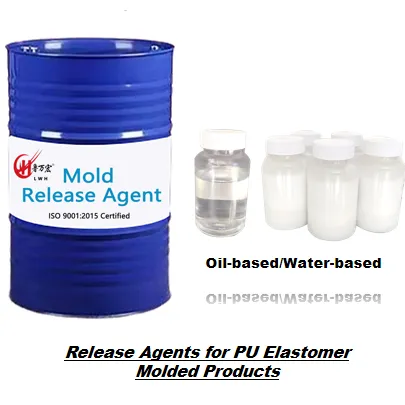
In the demanding world of polyurethane foam manufacturing, achieving consistent product quality while maintaining efficient production cycles requires careful attention to every component in the process. Among the most critical yet often overlooked elements are PU release agents, which serve as the crucial barrier between molded foam products and their manufacturing equipment. These specialized chemical formulations have evolved significantly to meet the increasingly stringent requirements of modern high-temperature foaming applications, where traditional release agents simply cannot deliver the performance needed for optimal results.
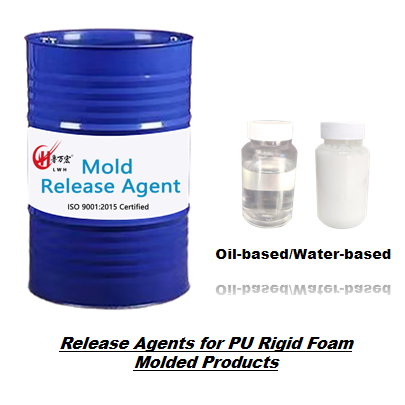
The manufacturing of polyurethane rigid foam products presents unique challenges that demand specialized solutions. As industry standards continue to evolve and production temperatures climb higher, manufacturers face increasing pressure to maintain product integrity while ensuring smooth demolding processes. This technological landscape has driven innovation in PU release agents, leading to formulations specifically engineered to withstand extreme thermal conditions without compromising their fundamental release properties or leaving unwanted residues on finished products.
Understanding Heat-Resistant PU Release Agents
Chemical Composition and Thermal Stability
Heat-resistant PU release agents represent a sophisticated category of industrial chemicals designed to maintain their molecular integrity under extreme thermal stress. These formulations typically incorporate advanced silicone-based polymers, fluorinated compounds, or specialized wax systems that exhibit exceptional thermal stability. The molecular structure of these agents allows them to form a protective barrier that remains effective even when exposed to temperatures exceeding 200°C, which are common in high-temperature polyurethane foaming processes.
The thermal stability of these PU release agents stems from their carefully engineered chemical bonds that resist degradation under heat. Unlike conventional release agents that may break down or carbonize at elevated temperatures, heat-resistant formulations maintain their lubricious properties throughout the entire molding cycle. This consistency ensures reliable performance across multiple production runs, reducing the need for frequent reapplication and minimizing production downtime.
Advanced heat-resistant PU release agents often incorporate crosslinking inhibitors and antioxidant packages that further enhance their thermal performance. These additives work synergistically to prevent oxidative degradation and maintain the agent's effectiveness over extended exposure periods. The result is a release system that not only performs reliably at high temperatures but also provides extended service life, contributing to improved production economics.
Performance Characteristics in Extreme Conditions
When evaluating the performance of heat-resistant PU release agents, several key characteristics distinguish superior formulations from standard alternatives. Primary among these is the agent's ability to maintain consistent release properties across a wide temperature range without thermal decomposition. This stability ensures that molded foam products can be removed cleanly from production equipment without surface defects or adhesion issues that could compromise product quality.
Another critical performance aspect involves the agent's resistance to thermal cycling. Manufacturing processes often involve repeated heating and cooling cycles that can stress conventional release agents beyond their performance limits. Heat-resistant PU release agents are specifically formulated to withstand these thermal fluctuations without losing their effectiveness, ensuring consistent performance throughout extended production campaigns.
The migration characteristics of these specialized agents also play a crucial role in their overall performance. Superior heat-resistant formulations exhibit controlled migration properties that allow them to maintain surface coverage without excessive penetration into the foam structure. This balance ensures effective release while preventing contamination of the finished product with release agent residues that could affect subsequent processing or end-use performance.
Critical Applications in High-Temperature Foaming
Rigid Foam Manufacturing Processes
The production of rigid polyurethane foam products often involves processing temperatures that challenge conventional release systems. In applications such as insulation panel manufacturing, appliance foam-in-place operations, and structural foam molding, temperatures can reach levels where standard PU release agents begin to lose effectiveness. These high-temperature conditions are necessary to achieve proper foam expansion, density control, and curing characteristics that meet stringent performance specifications.
During rigid foam molding processes, the exothermic reaction between polyol and isocyanate components generates substantial heat that compounds the thermal stress on release agents. This internal heat generation, combined with external heating systems used to maintain mold temperatures, creates an environment where only the most thermally stable PU release agents can maintain their protective function throughout the entire molding cycle.
The complexity of rigid foam chemistry also demands release agents that remain chemically inert under these conditions. Heat-resistant PU release agents must resist interaction with catalysts, blowing agents, and other reactive components while maintaining their release properties. This chemical compatibility ensures that the release system does not interfere with foam formation or compromise the final product's physical properties.
Continuous Production Line Requirements
Modern polyurethane foam manufacturing increasingly relies on continuous production systems that operate at elevated temperatures for extended periods. These high-throughput operations place exceptional demands on release agent performance, requiring formulations that can maintain effectiveness across hundreds or thousands of molding cycles without degradation. Heat-resistant PU release agents are essential for these applications, where production interruptions for release agent reapplication can result in significant economic losses.
Continuous production lines also present unique challenges related to heat buildup and thermal management. As production equipment operates continuously at elevated temperatures, the thermal stress on release agents intensifies. Only formulations specifically designed for high-temperature applications can withstand this sustained thermal exposure while continuing to provide reliable release performance.
The economic implications of using appropriate heat-resistant PU release agents in continuous production become apparent when considering the costs associated with production downtime, equipment maintenance, and product defects. Superior thermal performance translates directly into improved production efficiency, reduced waste, and enhanced product quality, making the investment in specialized release agents economically justified for high-volume operations.
Technical Benefits and Performance Advantages
Enhanced Mold Life and Equipment Protection
One of the most significant advantages of using heat-resistant PU release agents lies in their ability to protect expensive molding equipment from thermal damage and chemical attack. These specialized formulations create a protective barrier that prevents foam materials from adhering to mold surfaces, even under extreme temperature conditions. This protection extends the operational life of molding equipment and reduces maintenance requirements, contributing to improved production economics.
The superior thermal stability of these agents also prevents the formation of carbonized deposits that can accumulate on mold surfaces when conventional release agents decompose under heat. These deposits not only compromise release performance but can also create surface defects on molded products and require costly cleaning procedures to remove. Heat-resistant PU release agents eliminate these issues by maintaining their chemical integrity throughout the molding process.
Extended equipment protection also translates into more predictable maintenance schedules and reduced unplanned downtime. When release agents perform consistently across their intended service life, manufacturers can plan maintenance activities more effectively and avoid emergency shutdowns that disrupt production schedules and increase operational costs.
Product Quality and Surface Finish Improvements
The use of appropriate heat-resistant PU release agents directly impacts the quality and appearance of finished foam products. These specialized formulations enable clean, consistent demolding that preserves the intended surface texture and dimensional accuracy of molded parts. This quality improvement is particularly important in applications where foam products serve decorative or visible functions, such as architectural panels or automotive interior components.
Superior thermal performance also ensures that release agents do not transfer unwanted residues to product surfaces, which could interfere with subsequent finishing operations such as painting, adhesive bonding, or laminating. Clean release characteristics eliminate the need for additional surface preparation steps, reducing processing costs and improving production efficiency while maintaining high quality standards.
The consistency provided by heat-resistant PU release agents also contributes to more predictable product dimensions and reduced variation between production runs. When release performance remains stable across multiple molding cycles, manufacturers can maintain tighter quality control and reduce the incidence of products that fail to meet specifications.
Selection Criteria and Implementation Strategies
Temperature Range and Application Matching
Selecting the most appropriate heat-resistant PU release agents requires careful consideration of the specific temperature ranges and operating conditions present in each manufacturing application. Different formulations are optimized for different temperature ranges, and choosing an agent with thermal capabilities that exceed actual process requirements provides additional safety margin and extended service life. This selection process should also consider peak temperatures that may occur during process upsets or equipment malfunctions.
The chemical compatibility between release agents and specific foam formulations represents another critical selection criterion. Some PU release agents may interact with particular catalysts, flame retardants, or blowing agents, potentially affecting foam properties or release performance. Thorough compatibility testing ensures that the selected release system will perform effectively without compromising product quality or process reliability.
Application methods and equipment compatibility also influence release agent selection. Some formulations are designed for spray application, while others work best with brush-on or dip-coating methods. Matching the release agent's application characteristics to available equipment and operational preferences optimizes performance and ensures consistent coverage across all mold surfaces.
Cost-Benefit Analysis and ROI Considerations
While heat-resistant PU release agents typically command premium pricing compared to standard formulations, their superior performance often delivers substantial economic benefits that justify the additional investment. These benefits include reduced product defects, extended equipment life, decreased maintenance requirements, and improved production efficiency. A comprehensive cost-benefit analysis should consider all these factors when evaluating different release agent options.
The extended service life of heat-resistant formulations often results in lower per-unit application costs despite higher initial purchase prices. When agents maintain effectiveness across more molding cycles, the cost per part produced decreases, and the frequency of reapplication reduces labor requirements and production interruptions. These operational savings can significantly offset the premium pricing of specialized formulations.
Long-term economic benefits also include improved product quality consistency, which reduces warranty claims and customer complaints. When PU release agents perform reliably under high-temperature conditions, manufacturers can maintain reputation and customer satisfaction while avoiding the costs associated with product recalls or quality issues that could damage market position.
FAQ
What temperature range do heat-resistant PU release agents typically handle?
Most heat-resistant PU release agents are designed to perform effectively in temperature ranges from 150°C to 250°C, with some specialized formulations capable of handling even higher temperatures up to 300°C. The specific temperature capability depends on the chemical composition of the agent, with silicone-based and fluorinated formulations typically offering the highest thermal resistance. It is important to select an agent with thermal capabilities that exceed your actual process temperatures by at least 25-50°C to ensure reliable performance and safety margin.
How do heat-resistant release agents affect foam product quality?
Heat-resistant PU release agents significantly improve foam product quality by ensuring clean, consistent demolding without surface defects or adhesion issues. These agents maintain their release properties throughout high-temperature molding processes, preventing the formation of surface imperfections that could compromise product appearance or performance. Additionally, their thermal stability prevents decomposition products from contaminating foam surfaces, eliminating the need for post-molding cleaning operations and ensuring compatibility with subsequent finishing processes.
Can standard release agents be used in high-temperature foaming applications?
Standard PU release agents are not recommended for high-temperature foaming applications as they may decompose, carbonize, or lose effectiveness when exposed to elevated temperatures. Using inadequate release agents in high-temperature processes can result in poor demolding performance, product defects, equipment damage, and increased maintenance requirements. The thermal breakdown of standard agents can also create harmful decomposition products and contaminate finished products, making heat-resistant formulations essential for reliable high-temperature operations.
What maintenance considerations apply to heat-resistant release agent systems?
Heat-resistant PU release agents require specific maintenance protocols to ensure optimal performance and longevity. Regular monitoring of agent thickness and coverage is essential, as is periodic cleaning of application equipment to prevent contamination. While these agents offer extended service life compared to standard formulations, they still require periodic reapplication based on production volume and operating conditions. Proper storage conditions, including temperature control and protection from contamination, are also critical for maintaining agent effectiveness and preventing premature degradation.