
 EN
EN
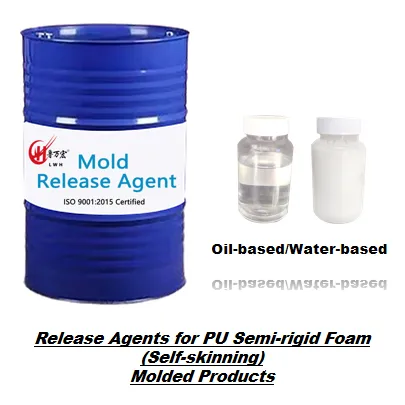
Selecting the right PU release agents for your manufacturing process is crucial for maintaining consistent product quality and operational efficiency. These specialized chemical formulations play a vital role in polyurethane foam production by preventing adhesion between the foam and mold surfaces. The choice between solvent-based and water-based PU release agents can significantly impact your production line's performance, environmental compliance, and long-term cost structure.
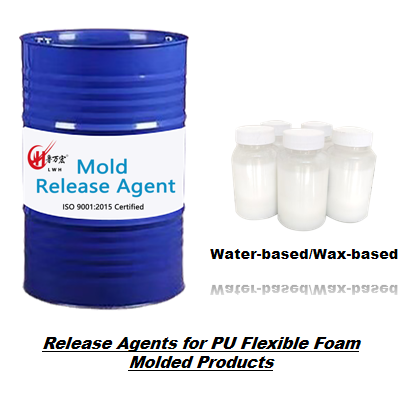
The polyurethane industry has evolved considerably in recent decades, with manufacturers increasingly demanding release agents that deliver superior performance while meeting stringent environmental regulations. Modern production facilities require release solutions that provide consistent demolding, extended mold life, and minimal surface defects. Understanding the fundamental differences between solvent-based and water-based formulations enables manufacturers to make informed decisions that align with their specific production requirements and sustainability goals.
Understanding Solvent-Based PU Release Agents
Chemical Composition and Performance Characteristics
Solvent-based PU release agents utilize organic solvents as carriers for active release compounds, typically featuring silicone-based or fluorinated polymers as primary release ingredients. These formulations excel in high-temperature applications where rapid solvent evaporation creates a thin, uniform protective layer on mold surfaces. The organic solvent system ensures excellent wetting properties and penetration into microscopic surface irregularities, providing superior release performance even with complex mold geometries.
The chemical structure of solvent-based systems allows for precise control over film thickness and coverage uniformity. Advanced formulations incorporate specialized additives that enhance thermal stability and chemical resistance, making them particularly suitable for demanding production environments. These PU release agents demonstrate exceptional durability under repeated thermal cycling and maintain consistent performance characteristics throughout extended production runs.
Industrial Applications and Performance Benefits
Manufacturing facilities processing high-density polyurethane foams often prefer solvent-based PU release agents due to their superior thermal resistance and film-forming properties. Automotive component manufacturers, furniture producers, and industrial foam fabricators rely on these formulations for applications requiring precise dimensional accuracy and surface finish quality. The fast-drying nature of solvent-based systems enables rapid production cycles and minimizes downtime between molding operations.
Solvent-based formulations provide excellent chemical compatibility with various polyurethane chemistries, including rigid foams, flexible foams, and elastomeric systems. Their ability to create ultra-thin release layers ensures minimal impact on final product dimensions while maintaining exceptional demolding characteristics. Professional foam manufacturers appreciate the consistent performance and predictable behavior of these release agents under varying environmental conditions.
Water-Based PU Release Agent Technology
Formulation Science and Environmental Advantages
Water-based PU release agents represent the latest advancement in environmentally conscious release technology, utilizing water as the primary carrier medium for active release compounds. These innovative formulations incorporate advanced emulsion chemistry to deliver effective release performance while significantly reducing volatile organic compound emissions. The water-based delivery system eliminates the need for organic solvents, making these products compliant with increasingly strict environmental regulations.
Modern water-based systems employ sophisticated polymer chemistry to achieve release performance comparable to traditional solvent-based formulations. These PU release agents utilize specialized surfactants and stabilizers to maintain emulsion stability and ensure consistent application characteristics. The absence of organic solvents eliminates fire hazards and reduces workplace exposure risks, creating safer production environments for manufacturing personnel.
Application Methods and Performance Considerations
Water-based PU release agents require slightly different application techniques compared to their solvent-based counterparts due to longer drying times and different wetting characteristics. However, modern formulations have significantly improved in terms of application ease and performance consistency. These systems work exceptionally well in temperature-controlled environments where adequate drying time is available between molding cycles.
The performance characteristics of water-based systems continue to improve through ongoing research and development efforts. Advanced formulations now deliver comparable release efficiency to solvent-based alternatives while offering additional benefits such as reduced mold contamination and extended equipment life. Many manufacturers have successfully transitioned to water-based PU release agents without compromising production quality or efficiency.
Performance Comparison and Selection Criteria
Technical Performance Analysis
When evaluating PU release agents, manufacturers must consider multiple performance parameters including release efficiency, thermal stability, chemical compatibility, and application consistency. Solvent-based formulations typically excel in high-temperature applications and provide superior performance with challenging mold surfaces. Their rapid drying characteristics and excellent wetting properties make them ideal for fast-paced production environments where cycle time optimization is critical.
Water-based systems demonstrate comparable performance in many applications while offering distinct advantages in terms of environmental impact and workplace safety. These formulations show particular strength in applications involving temperature-sensitive substrates and situations where extended mold conditioning is acceptable. The choice between systems often depends on specific production requirements, environmental considerations, and regulatory compliance needs.
Cost Analysis and Economic Considerations
The total cost of ownership for PU release agents extends beyond the initial purchase price to include application costs, environmental compliance expenses, and potential productivity impacts. Solvent-based systems may offer lower initial costs but can incur additional expenses related to ventilation requirements, solvent recovery systems, and regulatory compliance measures. The concentrated nature of many solvent-based formulations can provide cost advantages through reduced consumption rates.
Water-based PU release agents often present long-term cost benefits through reduced environmental compliance costs, lower insurance premiums, and improved workplace safety metrics. While initial product costs may be higher, the elimination of solvent-related infrastructure and regulatory requirements can result in favorable total cost comparisons. Forward-thinking manufacturers increasingly recognize the strategic value of investing in environmentally sustainable release technologies.
Environmental and Regulatory Considerations
Environmental Impact Assessment
The environmental impact of PU release agents has become a significant factor in product selection decisions as manufacturers face increasing pressure to reduce their ecological footprint. Solvent-based formulations contribute to volatile organic compound emissions, which can impact air quality and require careful management to meet environmental regulations. Many regions have implemented strict limits on VOC emissions, making water-based alternatives increasingly attractive.
Water-based systems offer substantial environmental benefits through reduced emissions and improved workplace air quality. These formulations align with corporate sustainability initiatives and help manufacturers meet increasingly stringent environmental standards. The shift toward water-based PU release agents reflects the industry's commitment to responsible manufacturing practices and environmental stewardship.
Regulatory Compliance and Safety Standards
Regulatory requirements for industrial chemicals continue to evolve, with increasing emphasis on worker safety and environmental protection. Solvent-based PU release agents may require additional safety measures including enhanced ventilation systems, personal protective equipment, and specialized storage facilities. Compliance with OSHA regulations and local environmental standards can add complexity and cost to manufacturing operations.
Water-based formulations simplify regulatory compliance by eliminating many of the safety and environmental concerns associated with organic solvents. These products typically require fewer safety precautions and generate less regulatory paperwork. Manufacturing facilities can often reduce insurance costs and simplify safety training programs when transitioning to water-based release systems.
Application Guidelines and Best Practices
Proper Application Techniques
Successful implementation of PU release agents requires adherence to proper application techniques and equipment maintenance procedures. Solvent-based systems demand consistent spray pressure, appropriate nozzle selection, and adequate ventilation to ensure uniform coverage and worker safety. The rapid evaporation characteristics of these formulations require careful timing to prevent over-application or inadequate coverage.
Water-based PU release agents benefit from slightly different application parameters, including adjusted spray patterns and extended drying times. These systems require proper temperature and humidity control to achieve optimal film formation and release performance. Manufacturers must also consider equipment compatibility when transitioning between solvent-based and water-based systems.
Equipment Maintenance and Optimization
Regular equipment maintenance is essential for consistent PU release agent performance regardless of the chosen formulation type. Solvent-based systems require frequent cleaning with compatible solvents to prevent buildup and maintain spray equipment functionality. The aggressive nature of organic solvents may necessitate more frequent replacement of seals, gaskets, and other equipment components.
Water-based systems typically require less aggressive cleaning procedures and may extend equipment life through reduced chemical exposure. However, these formulations may require different filtration systems and storage procedures to prevent microbial contamination. Proper equipment selection and maintenance procedures are crucial for maximizing the performance benefits of both solvent-based and water-based PU release agents.
FAQ
What are the main differences in application methods between solvent-based and water-based PU release agents
Solvent-based PU release agents typically require higher spray pressures and provide faster drying times, making them suitable for rapid production cycles. Water-based systems need slightly longer drying periods but offer easier cleanup and reduced ventilation requirements. Both systems can be applied using standard spray equipment, though water-based formulations may require different nozzle configurations to achieve optimal coverage patterns.
How do environmental regulations affect the choice of PU release agents
Environmental regulations increasingly favor water-based PU release agents due to their lower VOC emissions and reduced environmental impact. Many jurisdictions have implemented strict limits on solvent emissions, making water-based systems more compliant with current and anticipated future regulations. Manufacturers should consider long-term regulatory trends when selecting release agent technology to avoid costly retrofits or compliance issues.
Can water-based PU release agents match the performance of solvent-based systems
Modern water-based PU release agents have achieved performance levels comparable to solvent-based systems in most applications. While solvent-based formulations may still offer advantages in extremely high-temperature applications or with particularly challenging mold surfaces, water-based systems provide excellent release performance for the majority of polyurethane molding operations. Continuous technological improvements are further narrowing any remaining performance gaps.
What factors should manufacturers consider when transitioning between release agent types
Manufacturers should evaluate production requirements, environmental compliance needs, cost implications, and equipment compatibility when considering a transition between PU release agent types. Trial periods with candidate products, staff training requirements, and potential modifications to application equipment should be carefully planned. Working with experienced release agent suppliers can help ensure smooth transitions and optimal performance outcomes.
Table of Contents
- Understanding Solvent-Based PU Release Agents
- Water-Based PU Release Agent Technology
- Performance Comparison and Selection Criteria
- Environmental and Regulatory Considerations
- Application Guidelines and Best Practices
-
FAQ
- What are the main differences in application methods between solvent-based and water-based PU release agents
- How do environmental regulations affect the choice of PU release agents
- Can water-based PU release agents match the performance of solvent-based systems
- What factors should manufacturers consider when transitioning between release agent types