
 EN
EN
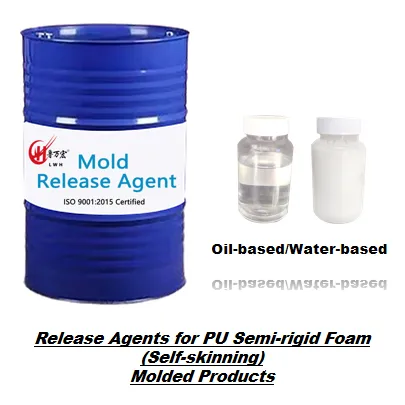
High-volume injection molding operations face numerous challenges that can significantly impact productivity, product quality, and overall profitability. Among the most critical factors affecting manufacturing success is the proper application of a plastic release agent, which serves as an essential component in ensuring smooth production cycles and consistent part quality. The plastic release agent acts as a barrier between the molten plastic material and the mold surface, facilitating easy part removal while preventing costly defects such as sticking, surface damage, or dimensional inconsistencies. Understanding the fundamental role of these specialized chemical formulations becomes increasingly important as manufacturers strive to meet demanding production schedules while maintaining stringent quality standards.
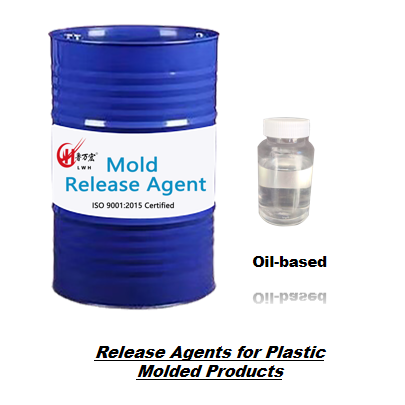
Understanding the Critical Functions of Plastic Release Agents
Surface Lubrication and Mold Protection
The primary function of a plastic release agent involves creating a microscopic lubricating layer between the mold cavity and the injected plastic material. This thin film prevents direct contact between the polymer and metal surfaces, reducing friction during the ejection process and minimizing wear on expensive tooling. Professional manufacturers recognize that consistent application of quality release agents can extend mold life significantly, reducing maintenance costs and downtime associated with surface repairs or refinishing operations.
Advanced plastic release agent formulations incorporate specialized additives that enhance their protective properties, including anti-corrosion compounds that prevent moisture-related damage to mold surfaces. These protective characteristics become particularly valuable in humid manufacturing environments where condensation might otherwise compromise tooling integrity. The chemical composition of modern release agents often includes silicone-based compounds, synthetic waxes, or fluoropolymer derivatives that provide superior non-stick properties while maintaining thermal stability under high-temperature processing conditions.
Temperature Stability and Processing Compatibility
High-volume injection molding operations typically involve elevated temperatures ranging from 200°C to 400°C, depending on the specific plastic material being processed. A properly formulated plastic release agent must maintain its effectiveness across these temperature ranges without degrading or producing harmful vapors that could affect product quality or worker safety. Temperature-resistant formulations ensure consistent performance throughout extended production runs, eliminating the need for frequent reapplication that would disrupt manufacturing schedules.
The thermal characteristics of release agents also influence their compatibility with different polymer types, as materials like polycarbonate, ABS, or high-temperature nylons require specialized formulations that can withstand their specific processing parameters. Understanding these compatibility requirements helps manufacturers select the most appropriate plastic release agent for their specific applications, ensuring optimal performance across diverse product lines and material specifications.
Impact on Production Efficiency and Cost Management
Cycle Time Optimization
Effective use of plastic release agent technology directly correlates with reduced cycle times, as parts can be ejected more quickly and reliably without requiring excessive force or multiple attempts. This improvement in ejection efficiency translates to increased throughput capacity, allowing manufacturers to produce more parts within the same timeframe and maximizing the return on their equipment investment. Consistent part release also reduces the likelihood of production interruptions caused by stuck parts or damaged components that require manual intervention.
The economic benefits of optimized cycle times become particularly significant in high-volume operations where even small improvements can result in substantial cost savings. For example, reducing cycle time by just five seconds on a part with a 30-second base cycle represents a 16.7% increase in productivity, which can translate to thousands of additional parts per shift in continuous manufacturing environments.
Quality Control and Defect Reduction
Proper application of plastic release agent significantly reduces the occurrence of surface defects that can compromise product appearance and functionality. Without adequate release properties, parts may experience drag marks, scratches, or dimensional distortion during ejection, leading to increased scrap rates and rework costs. The consistent surface finish achieved through professional-grade release agents helps manufacturers maintain strict quality standards while reducing inspection time and rejection rates.
Advanced release agent formulations also contribute to improved surface aesthetics by preventing the formation of witness marks or flow lines that can occur when parts stick to mold surfaces during cooling. This enhanced surface quality becomes particularly important for visible components in automotive, consumer electronics, or appliance applications where appearance standards are extremely demanding.
Selection Criteria for Industrial Applications
Chemical Compatibility Assessment
Selecting the appropriate plastic release agent requires careful consideration of the specific polymer materials being processed, as different plastic types may react differently with various release agent formulations. Compatibility testing ensures that the chosen product will not cause discoloration, stress cracking, or other adverse reactions that could compromise part integrity or appearance. Manufacturers must evaluate factors such as chemical resistance, thermal stability, and potential migration effects when specifying release agents for critical applications.
The assessment process should also consider downstream operations such as painting, adhesive bonding, or welding, as residual release agent compounds might interfere with these secondary processes. Some plastic release agent formulations are specifically designed to be compatible with post-molding operations, while others may require removal through cleaning processes before additional manufacturing steps can be performed.
Application Method Considerations
Modern manufacturing facilities employ various application methods for plastic release agent products, including manual spraying, automated misting systems, or brush-on techniques depending on production volume and part complexity. High-volume operations typically benefit from automated application systems that ensure consistent coverage while minimizing labor costs and exposure risks. The viscosity and spray characteristics of different release agent formulations must be matched to the specific application equipment to achieve optimal results.
Proper application technique also involves consideration of coverage patterns, drying time, and reapplication frequency to maintain consistent performance throughout production runs. Training operators in correct application procedures helps ensure that the plastic release agent provides maximum effectiveness while minimizing waste and environmental impact.
Environmental and Safety Considerations
Workplace Safety Protocols
Implementation of plastic release agent systems requires careful attention to workplace safety protocols, including proper ventilation systems to manage vapor emissions and personal protective equipment requirements for handling personnel. Modern formulations increasingly emphasize reduced volatile organic compound content and improved biodegradability to minimize environmental impact while maintaining performance standards. Safety data sheets provide essential information regarding handling procedures, storage requirements, and emergency response measures.
Regular air quality monitoring and worker exposure assessments help ensure that plastic release agent applications comply with occupational health regulations and maintain safe working conditions. Proper training programs should address both routine handling procedures and emergency response protocols to protect workers and minimize liability risks.
Regulatory Compliance Requirements
Manufacturing operations must consider various regulatory requirements when selecting and implementing plastic release agent products, including food-grade certifications for components that may contact consumable products, automotive industry specifications for parts used in vehicle applications, and environmental regulations governing emissions and waste disposal. Compliance documentation becomes particularly important for companies serving regulated industries or exporting to international markets with specific chemical restrictions.
The regulatory landscape continues to evolve, with increasing emphasis on sustainable chemistry and reduced environmental impact, driving innovation in plastic release agent formulations that meet performance requirements while addressing environmental concerns. Staying current with regulatory changes helps manufacturers maintain compliance while avoiding potential disruptions to their supply chains.
Advanced Formulation Technologies
Next-Generation Chemical Compositions
Recent advances in plastic release agent chemistry have led to the development of hybrid formulations that combine multiple active ingredients to achieve superior performance characteristics. These innovative products often incorporate nanotechnology additives that provide enhanced durability and reduced migration properties, resulting in longer-lasting protection with fewer applications. The integration of smart chemistry concepts allows for temperature-activated or pH-sensitive release properties that adapt to specific processing conditions.
Biomimetic approaches to plastic release agent design draw inspiration from natural non-stick surfaces, leading to formulations that achieve exceptional release properties while using environmentally sustainable raw materials. These cutting-edge technologies represent the future direction of the industry, offering improved performance with reduced environmental impact.
Specialized Industry Applications
Different manufacturing sectors have developed specialized requirements for plastic release agent performance, leading to customized formulations for specific applications. Medical device manufacturing requires release agents that meet stringent purity standards and biocompatibility requirements, while automotive applications demand products that can withstand exposure to fuels, oils, and extreme temperature variations. Understanding these specialized requirements helps manufacturers select the most appropriate products for their specific industry needs.
Aerospace applications present unique challenges requiring plastic release agent formulations that meet strict outgassing requirements and maintain performance under vacuum conditions. The development of industry-specific products demonstrates the continued evolution of release agent technology to meet increasingly demanding performance criteria.
FAQ
How often should plastic release agent be applied during production runs
The application frequency for plastic release agent depends on several factors including mold temperature, part complexity, and production volume. Most high-volume operations apply release agent every 5-15 cycles, though some advanced formulations can provide effective release for 50 or more cycles. Monitoring part ejection force and surface quality helps determine the optimal reapplication schedule for specific manufacturing conditions.
Can plastic release agent affect the surface finish of molded parts
Quality plastic release agent formulations are designed to provide excellent release properties without compromising surface finish or dimensional accuracy. However, excessive application or improper product selection can result in surface defects or contamination. Following manufacturer guidelines for application rates and techniques ensures optimal results while maintaining part quality standards.
What are the key differences between silicone and non-silicone release agents
Silicone-based plastic release agent products typically offer superior high-temperature stability and longer-lasting protection, making them ideal for demanding applications. Non-silicone formulations provide easier cleanup and better compatibility with post-molding operations like painting or bonding. The choice between these options depends on specific application requirements and downstream processing needs.
How does plastic release agent selection impact overall manufacturing costs
Proper plastic release agent selection can significantly reduce manufacturing costs through improved cycle times, reduced scrap rates, and extended mold life. While premium formulations may have higher initial costs, their superior performance often results in lower total cost of ownership through reduced downtime, maintenance expenses, and quality issues. Conducting thorough cost-benefit analysis helps justify investment in high-quality release agent products.