
 EN
EN
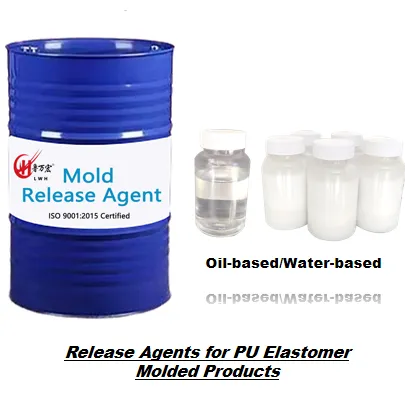
The success of plastic molding operations largely depends on the proper application of a plastic release agent to ensure smooth demolding and maintain product quality. Understanding the correct techniques for applying these essential chemical formulations can dramatically improve production efficiency and reduce manufacturing costs. A properly applied plastic release agent creates a thin barrier between the mold surface and the plastic material, preventing adhesion while maintaining the integrity of both the finished product and the mold itself.
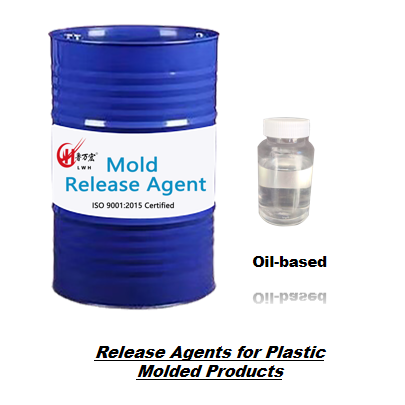
Understanding Plastic Release Agent Fundamentals
Chemical Composition and Properties
Modern plastic release agent formulations contain carefully balanced combinations of active ingredients designed to provide optimal release characteristics. These compounds typically include silicone-based materials, fluoropolymers, or specialized wax formulations that create a microscopic barrier layer on mold surfaces. The molecular structure of these agents allows them to withstand the high temperatures and pressures encountered during plastic molding processes while maintaining their release properties throughout multiple production cycles.
The effectiveness of a plastic release agent depends on its ability to wet the mold surface completely and form a uniform coating. Advanced formulations incorporate surfactants and carrier solvents that enhance spreading characteristics and ensure consistent coverage across complex mold geometries. Temperature stability is another critical factor, as the agent must maintain its chemical integrity during the heating and cooling cycles inherent in plastic molding operations.
Selection Criteria for Different Applications
Choosing the appropriate plastic release agent requires careful consideration of the specific molding application, plastic material being processed, and production requirements. Different plastic resins exhibit varying degrees of adhesion to mold surfaces, necessitating tailored release agent formulations. For instance, polyethylene and polypropylene typically require less aggressive release agents compared to engineering plastics like polycarbonate or nylon.
Production volume and cycle time considerations also influence release agent selection. High-volume operations benefit from long-lasting formulations that provide multiple releases per application, while prototype or low-volume production may utilize more economical single-use agents. The complexity of the molded part geometry, including undercuts, deep draws, and intricate surface details, affects the choice between spray-on, brush-on, or aerosol application methods.
Proper Application Techniques
Surface Preparation Requirements
Successful application of any plastic release agent begins with thorough mold preparation to ensure optimal adhesion and performance. The mold surface must be completely clean, free from residual plastic material, release agent buildup, and any contaminants that could interfere with proper wetting. A systematic cleaning protocol using appropriate solvents and cleaning tools helps establish the ideal surface condition for release agent application.
Temperature control during surface preparation is equally important, as applying a plastic release agent to surfaces that are too hot or too cold can result in uneven coverage or premature degradation. Most formulations perform optimally when applied to mold surfaces at room temperature, allowing for proper spreading and film formation before the molding cycle begins.
Application Methods and Equipment
Several application methods are available for applying plastic release agent, each offering distinct advantages depending on the specific molding operation. Spray application provides excellent coverage for large, complex mold surfaces and allows for precise control of film thickness. Professional spray equipment ensures consistent atomization and uniform distribution, which is essential for achieving reliable release performance across all mold surfaces.
Brush application offers superior control for detailed work and areas requiring heavier coverage, particularly around complex geometries or problem areas prone to sticking. This method allows operators to work the plastic release agent into surface textures and ensure complete coverage of all mold features. Aerosol application provides convenience and portability for smaller molds or touch-up applications, though it may be less economical for high-volume production environments.
Optimizing Coverage and Film Thickness
Achieving Uniform Distribution
Uniform distribution of the plastic release agent across all mold surfaces is crucial for consistent demolding performance and part quality. Developing a systematic application pattern helps ensure complete coverage while avoiding areas of excessive buildup that could transfer to the molded parts. Cross-hatching techniques, where the agent is applied in overlapping patterns, help achieve even distribution across flat surfaces.
Attention to detail in complex mold geometries requires careful consideration of flow patterns and potential dead zones where the plastic release agent might not reach adequately. Deep cavities, sharp corners, and undercut areas often require additional attention to ensure proper coverage. Visual inspection under appropriate lighting conditions helps identify areas that may need additional treatment before beginning the molding cycle.
Film Thickness Control
Controlling the thickness of the plastic release agent film is essential for balancing release performance with part quality requirements. Excessive film thickness can result in surface defects on molded parts, including texture transfer, dimensional variations, or appearance issues. Conversely, insufficient coverage may lead to sticking problems and potential mold damage during demolding operations.
Most effective plastic release agent applications result in films measuring between 0.1 and 0.5 micrometers in thickness, though optimal thickness varies with specific formulations and molding conditions. Establishing consistent application techniques and monitoring film characteristics through visual inspection or specialized measurement equipment helps maintain optimal performance levels throughout production runs.
Timing and Frequency Considerations
Pre-Production Application Timing
The timing of plastic release agent application relative to the start of molding operations significantly impacts performance and efficiency. Most formulations require a brief curing or settling period after application to allow solvents to evaporate and the active film to properly form on the mold surface. This dwell time typically ranges from a few minutes to several hours, depending on the specific formulation and environmental conditions.
Environmental factors such as temperature, humidity, and air circulation affect curing times and should be considered when scheduling application activities. Higher temperatures generally accelerate solvent evaporation and film formation, while high humidity may extend curing times for certain water-sensitive formulations. Proper ventilation ensures safe working conditions and promotes consistent curing characteristics.
Reapplication Schedules
Determining the optimal reapplication frequency for plastic release agent requires balancing performance requirements with production efficiency considerations. High-performance formulations may provide effective release for dozens or even hundreds of molding cycles, while others may require reapplication after every few parts. Monitoring release performance through systematic observation helps establish reliable reapplication schedules.
Production variables including molding temperature, cycle time, and part complexity all influence the longevity of plastic release agent films. Higher processing temperatures and longer cycle times generally increase the rate of agent degradation, necessitating more frequent reapplication. Establishing maintenance schedules based on actual production experience rather than theoretical guidelines ensures optimal performance while minimizing unnecessary downtime.
Troubleshooting Common Issues
Addressing Inadequate Release Performance
When plastic release agent performance falls short of expectations, systematic troubleshooting helps identify root causes and implement effective solutions. Inadequate surface preparation is often the primary culprit, as contaminants or residual materials can prevent proper agent adhesion and film formation. Reviewing and potentially upgrading cleaning procedures frequently resolves release performance issues.
Application technique problems, including insufficient coverage, improper timing, or equipment malfunctions, can also compromise plastic release agent effectiveness. Regular training for production personnel on proper application methods and equipment maintenance helps maintain consistent results. Environmental factors such as excessive humidity or inadequate ventilation may require facility modifications to support optimal agent performance.
Managing Surface Quality Concerns
Surface quality issues on molded parts can sometimes be traced to plastic release agent application problems, including excessive film thickness or contamination. Implementing quality control measures such as visual inspection protocols and sample testing helps identify potential issues before they affect production parts. Adjusting application parameters based on observed results allows for continuous improvement in both release performance and part quality.
Some plastic release agent formulations may interact with specific plastic materials or colorants, resulting in surface appearance changes or chemical compatibility issues. Conducting compatibility testing with new material combinations and maintaining detailed records of successful formulations helps prevent costly production problems and ensures consistent results across different product lines.
Safety and Environmental Considerations
Workplace Safety Protocols
Safe handling and application of plastic release agent products requires adherence to established safety protocols and personal protective equipment requirements. Many formulations contain volatile organic compounds or other chemicals that may present inhalation, skin contact, or fire hazards. Proper ventilation systems and respiratory protection help minimize worker exposure while maintaining safe working conditions.
Storage and handling procedures must comply with applicable safety regulations and manufacturer recommendations to prevent accidents and maintain product integrity. Temperature-controlled storage areas, proper container labeling, and spill containment measures are essential components of a comprehensive safety program for plastic release agent operations.
Environmental Impact Management
Environmental considerations increasingly influence the selection and use of plastic release agent formulations in modern manufacturing operations. Low-VOC and water-based alternatives offer reduced environmental impact while maintaining performance characteristics suitable for many applications. Waste minimization through improved application techniques and product selection helps reduce disposal requirements and associated costs.
Regulatory compliance requirements vary by jurisdiction and may include restrictions on volatile organic compound emissions, waste disposal methods, and worker exposure limits. Staying informed about changing regulations and maintaining proper documentation helps ensure continued compliance and avoid potential penalties or operational disruptions.
FAQ
How often should plastic release agent be reapplied during production
Reapplication frequency depends on several factors including the specific formulation, molding conditions, and part complexity. High-performance plastic release agent products may provide effective release for 50-200 cycles, while standard formulations typically require reapplication every 10-50 parts. Monitor release performance and establish schedules based on actual production experience rather than theoretical guidelines.
What causes uneven coverage when applying plastic release agent
Uneven coverage typically results from inadequate surface preparation, improper application technique, or equipment malfunctions. Ensure mold surfaces are completely clean and at appropriate temperature before application. Use systematic application patterns and maintain consistent spray pressure or brush technique throughout the process.
Can different plastic release agent formulations be mixed together
Mixing different plastic release agent formulations is generally not recommended as chemical incompatibilities may occur, resulting in reduced performance or surface quality issues. Each formulation is designed as a complete system, and mixing can disrupt the carefully balanced chemistry. Use products as intended by the manufacturer for optimal results.
What should be done if parts start sticking despite proper plastic release agent application
If sticking occurs despite proper application, check for mold surface contamination, temperature variations, or changes in plastic material properties. Increase application frequency, verify proper curing time, or consider switching to a more aggressive release agent formulation. Systematic troubleshooting helps identify and resolve the root cause of sticking problems.