
 EN
EN
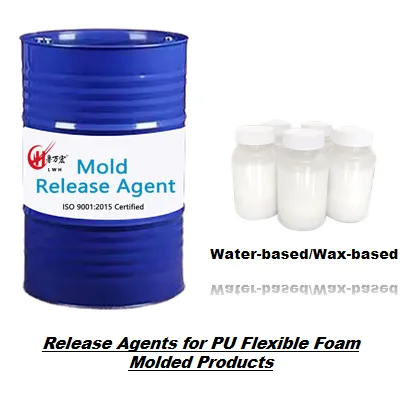
Manufacturing high-quality polyurethane foam products requires precise control over every aspect of the production process, from raw material selection to final demolding. Among the critical components that determine product success, PU release agent stands as one of the most essential elements for achieving consistent quality and operational efficiency. This specialized chemical formulation serves as the interface between molten polyurethane and the production mold, ensuring clean separation while maintaining the integrity of both the finished product and manufacturing equipment.
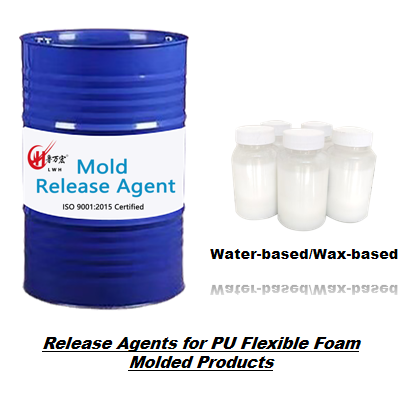
The polyurethane foam industry has evolved significantly over recent decades, with manufacturers demanding increasingly sophisticated solutions to meet stringent quality standards and production requirements. Modern PU release agent formulations have adapted to these challenges by incorporating advanced chemical technologies that provide superior performance across diverse manufacturing conditions. Understanding the fundamental role of these agents becomes crucial for manufacturers seeking to optimize their production processes and achieve consistent product quality.
Quality foam products depend on numerous interconnected factors, but the selection and application of appropriate release agents often determines the difference between successful production runs and costly manufacturing failures. The complexity of polyurethane chemistry requires release agents that can perform reliably under varying temperature conditions, cure times, and mold configurations while maintaining chemical compatibility with the foam formulation.
Understanding PU Release Agent Fundamentals
Chemical Composition and Properties
The effectiveness of any PU release agent stems from its carefully engineered chemical composition, which typically includes a combination of surfactants, lubricants, and specialized additives designed to create an effective barrier between the polyurethane material and the mold surface. These formulations must achieve a delicate balance between providing adequate release properties while avoiding interference with the foam's curing process or final characteristics.
Modern release agents utilize sophisticated molecular structures that create temporary protective films on mold surfaces. These films must possess specific thermal stability properties to withstand the exothermic reactions occurring during polyurethane foam formation. The chemical architecture of effective release agents incorporates both hydrophobic and oleophobic characteristics, ensuring compatibility with various polyurethane formulations while maintaining consistent release performance.
Temperature resistance represents another critical aspect of PU release agent chemistry. During foam production, mold temperatures can vary significantly depending on the specific application and curing requirements. High-quality release agents maintain their protective properties across these temperature ranges, preventing adhesion issues that could compromise product quality or damage expensive tooling.
Application Methods and Techniques
Proper application of PU release agent requires understanding both the product characteristics and the specific requirements of the manufacturing process. Spray application represents the most common method, offering precise control over coverage patterns and film thickness. This approach allows operators to achieve uniform distribution across complex mold geometries while minimizing waste and ensuring consistent results.
The timing of release agent application plays a crucial role in achieving optimal performance. Applying the agent to properly prepared mold surfaces at the correct temperature ensures maximum adhesion of the release film while preventing premature degradation. Professional manufacturers typically establish standardized application protocols that specify coverage rates, drying times, and reapplication intervals based on their specific production requirements.
Environmental conditions during application significantly impact the effectiveness of release agent performance. Humidity levels, ambient temperature, and air circulation all influence how the release film forms and cures on the mold surface. Understanding these variables allows manufacturers to optimize their application procedures for consistent results across varying production conditions.
Quality Impact on Foam Manufacturing
Surface Finish and Appearance
The quality of foam product surfaces depends heavily on the performance characteristics of the PU release agent used during production. High-quality release agents create smooth, defect-free surfaces that require minimal post-processing, reducing manufacturing costs and improving overall product aesthetics. The molecular structure of the release film directly influences how the polyurethane material flows and cures against the mold surface.
Inadequate release agent performance often manifests as surface irregularities, including rough textures, pull marks, or embedded particles that compromise the finished product appearance. These defects not only affect visual quality but can also impact functional properties such as durability, cleanability, and resistance to environmental factors. Professional-grade release agents minimize these issues through advanced formulations that provide consistent surface protection.
Color consistency represents another important aspect of surface quality influenced by release agent selection. Some formulations can interact with pigments or colorants in the polyurethane system, leading to variations in the final product appearance. High-quality release agents maintain chemical neutrality to preserve the intended color characteristics while providing reliable release performance.
Dimensional Accuracy and Consistency
Achieving precise dimensional tolerances in foam products requires release agents that provide consistent performance without interfering with the material's expansion and curing characteristics. The thickness and uniformity of the release film can influence how the polyurethane fills the mold cavity and maintains its shape during the curing process.
Variations in release agent performance can lead to dimensional inconsistencies that affect product fit and function, particularly in applications requiring tight tolerances. Professional manufacturers rely on release agents with proven consistency to maintain dimensional accuracy across production runs while minimizing waste from out-of-specification parts.
The interaction between release agents and different polyurethane formulations must be carefully considered to ensure dimensional stability. Some release agent chemistries can affect the foam's expansion characteristics or curing rate, potentially leading to size variations or internal stress patterns that compromise product performance.
Production Efficiency and Cost Benefits
Cycle Time Optimization
Effective PU release agent selection directly impacts manufacturing cycle times by facilitating faster and more reliable demolding processes. When products release cleanly from molds without sticking or requiring excessive force, operators can maintain consistent production schedules while reducing the risk of product damage or mold wear.
The curing characteristics of high-quality release agents allow for optimal timing of demolding operations. Products that release easily at the appropriate cure stage enable manufacturers to maximize mold utilization while ensuring adequate product strength for handling and processing. This optimization translates directly into improved production capacity and reduced manufacturing costs.
Consistent release performance eliminates the need for troubleshooting and rework associated with sticking or damaged products. Manufacturers using reliable PU release agent formulations experience fewer production interruptions and can maintain steady output levels that support efficient operations and customer delivery commitments.
Equipment Protection and Maintenance
Quality release agents provide essential protection for expensive mold tooling by preventing polyurethane adhesion that could damage mold surfaces or require aggressive cleaning procedures. The protective film created by effective release agents serves as a barrier against chemical attack and mechanical wear during production operations.
Reduced mold maintenance requirements result from consistent use of appropriate release agents that prevent buildup of residual materials and minimize the need for frequent cleaning or surface restoration. This protection extends mold life and reduces replacement costs while maintaining production capability and product quality standards.
The chemical compatibility of professional-grade release agents ensures that mold materials remain unaffected by prolonged exposure to the release chemistry. This compatibility prevents corrosion, surface degradation, or other forms of damage that could compromise mold performance or require costly repairs or replacement.
Selection Criteria and Performance Standards
Compatibility Assessment
Selecting the appropriate PU release agent requires thorough evaluation of compatibility with specific polyurethane formulations, mold materials, and production conditions. Chemical compatibility testing helps identify potential interactions that could affect product quality, release performance, or equipment integrity during manufacturing operations.
Temperature compatibility represents a critical factor in release agent selection, as different formulations may perform differently under varying thermal conditions. Manufacturers must consider both the peak temperatures reached during polyurethane curing and the ambient conditions in their production environment when evaluating release agent options.
Processing compatibility encompasses factors such as application methods, coverage requirements, and reapplication intervals that must align with existing production procedures. Release agents that integrate smoothly into established manufacturing processes provide better results than those requiring significant procedural modifications or specialized equipment.
Performance Verification Methods
Establishing performance standards for PU release agent evaluation involves developing test protocols that accurately reflect actual production conditions and requirements. These protocols should include assessments of release effectiveness, surface quality, dimensional accuracy, and consistency across multiple production cycles.
Quantitative measurement techniques help manufacturers compare different release agent formulations objectively and select products that provide optimal performance for their specific applications. Parameters such as release force, surface roughness, and dimensional variation provide concrete data for decision-making processes.
Long-term performance evaluation considers factors such as shelf stability, application consistency, and performance degradation over extended production runs. This comprehensive assessment ensures that selected release agents maintain their effectiveness throughout typical storage and use periods.
Advanced Applications and Industry Trends
Specialized Foam Products
The development of specialized polyurethane foam products for automotive, aerospace, and medical applications has created demand for advanced PU release agent formulations with enhanced performance characteristics. These applications often require release agents that meet specific regulatory standards while providing superior performance under demanding conditions.
High-performance foam applications may require release agents with additional properties such as antistatic characteristics, enhanced thermal stability, or specific surface energy properties that support subsequent processing or bonding operations. Understanding these specialized requirements helps manufacturers select appropriate release agent solutions.
Environmental considerations increasingly influence release agent selection as manufacturers seek formulations that minimize volatile organic compound emissions while maintaining performance standards. Water-based and low-VOC release agents provide environmentally responsible alternatives without compromising production efficiency or product quality.
Technology Integration and Automation
Modern manufacturing facilities increasingly integrate automated release agent application systems that require formulations specifically designed for consistent performance in automated environments. These systems demand release agents with predictable flow characteristics and stable performance across varying application parameters.
Process monitoring technologies enable real-time assessment of release agent performance, allowing manufacturers to optimize application parameters and identify potential issues before they impact product quality. Integration with manufacturing execution systems provides comprehensive tracking of release agent usage and performance metrics.
Predictive maintenance approaches utilize data from release agent performance monitoring to optimize application schedules and prevent production disruptions. This proactive approach helps manufacturers maintain consistent quality while minimizing waste and operational costs associated with release agent usage.
FAQ
How does PU release agent affect the final foam product quality
PU release agent significantly impacts final foam product quality through its influence on surface finish, dimensional accuracy, and overall appearance. High-quality release agents create smooth, defect-free surfaces that require minimal post-processing while maintaining precise dimensional tolerances. Poor-quality or improperly applied release agents can cause surface defects, dimensional variations, and adhesion problems that compromise product performance and appearance.
What factors should be considered when selecting a PU release agent
Key selection factors include compatibility with the specific polyurethane formulation, operating temperature requirements, mold material compatibility, and environmental considerations. Manufacturers should also evaluate application methods, coverage rates, reapplication intervals, and any special performance requirements such as regulatory compliance or specific surface properties. Testing under actual production conditions provides the most reliable basis for selection decisions.
How often should PU release agent be reapplied during production
Reapplication frequency depends on several factors including the specific release agent formulation, production temperature, mold condition, and part complexity. Most professional-grade release agents provide effective performance for multiple production cycles, with reapplication typically required every 10-50 cycles depending on conditions. Monitoring release performance and establishing standardized reapplication protocols based on actual production experience ensures optimal results.
Can PU release agent selection impact production costs
Yes, PU release agent selection significantly impacts production costs through its effects on cycle times, mold maintenance requirements, product quality, and waste reduction. High-quality release agents may have higher initial costs but typically provide better overall value through improved production efficiency, reduced defect rates, extended mold life, and lower maintenance requirements. Comprehensive cost analysis should consider all these factors rather than just initial purchase price.