
 EN
EN
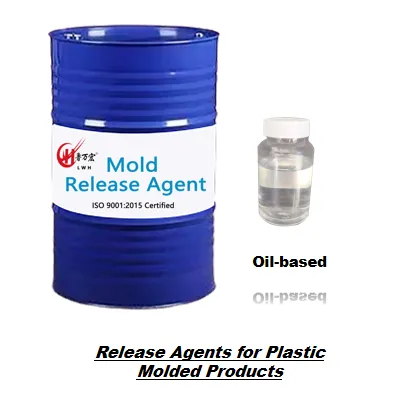
High resilience polyurethane foams demand specialized manufacturing solutions that ensure consistent quality and efficient production processes. The selection of an appropriate PU HR Release Agent plays a crucial role in determining the success of foam molding operations. These specialized chemical formulations provide the essential barrier between the foam and mold surfaces, enabling clean release while maintaining the structural integrity of the final product. Manufacturing facilities across various industries rely on advanced release agent technologies to optimize their production efficiency and minimize operational challenges. Understanding the critical importance of proper release agent selection can significantly impact both product quality and manufacturing profitability.
Understanding High Resilience Foam Manufacturing Requirements
Chemical Composition and Performance Characteristics
High resilience polyurethane foams exhibit unique chemical properties that require specialized handling during the manufacturing process. These foam systems typically contain higher concentrations of catalysts and specialized polyols that create more aggressive chemical environments during curing. The PU HR Release Agent must withstand these harsh conditions while maintaining its effectiveness throughout multiple production cycles. Advanced formulations incorporate heat-resistant compounds that prevent degradation under elevated molding temperatures. The molecular structure of effective release agents creates a stable interface that resists chemical attack from reactive foam components.
Temperature stability represents another critical factor in release agent performance for high resilience applications. Manufacturing processes often involve elevated temperatures ranging from 50 to 80 degrees Celsius, which can cause inferior release agents to break down or lose effectiveness. Professional-grade formulations maintain their lubricating properties across wide temperature ranges, ensuring consistent performance regardless of processing conditions. The thermal stability of these agents directly correlates with their ability to provide reliable mold release over extended production runs.
Mold Surface Compatibility and Adhesion Control
Different mold materials require specific release agent formulations to achieve optimal results in high resilience foam production. Aluminum molds present unique challenges due to their thermal conductivity and surface characteristics, necessitating release agents with enhanced adhesion to metal surfaces. Steel molds require formulations that can withstand higher pressures and provide extended service life without frequent reapplication. The PU HR Release Agent must create a uniform coating that adheres properly to the mold surface while preventing foam adhesion during the curing process.
Surface preparation protocols significantly influence release agent effectiveness and overall production outcomes. Clean mold surfaces allow for better release agent adhesion and more consistent foam release characteristics. Contamination from previous production cycles or environmental factors can compromise release agent performance, leading to defective products and increased waste. Regular maintenance schedules that include proper surface cleaning and release agent application ensure optimal manufacturing conditions and consistent product quality.
Advanced Formulation Technologies for Enhanced Performance
Silicone-Based Systems and Their Advantages
Modern silicone-based release agent formulations offer superior performance characteristics compared to traditional wax or soap-based alternatives. These advanced systems provide excellent thermal stability and chemical resistance, making them ideal for demanding high resilience foam applications. The molecular structure of silicone compounds creates an effective barrier that prevents foam adhesion while maintaining long-term stability. Manufacturing facilities utilizing silicone-based PU HR Release Agent systems typically experience reduced maintenance requirements and improved production efficiency.
The non-reactive nature of silicone-based formulations ensures compatibility with various foam chemistries without interfering with the curing process. This characteristic prevents potential quality issues such as surface defects or compromised foam properties that can occur with reactive release agents. Additionally, silicone systems often require lower application quantities, reducing material costs and minimizing environmental impact. The superior spreading characteristics of these formulations ensure uniform coverage with minimal waste.
Water-Based Versus Solvent-Based Formulations
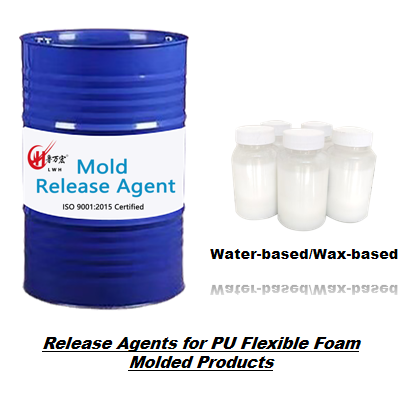
Environmental considerations and workplace safety requirements have driven increased adoption of water-based release agent systems in high resilience foam manufacturing. These formulations eliminate volatile organic compounds while maintaining effective release properties for most applications. Water-based PU HR Release Agent systems offer improved worker safety and reduced environmental impact without compromising manufacturing performance. The absence of flammable solvents also reduces fire hazards and insurance costs associated with foam production operations.
Solvent-based systems continue to provide advantages in specific high-temperature applications where water-based alternatives may not offer sufficient performance. These formulations often provide faster drying times and enhanced penetration into mold surface irregularities. The choice between water-based and solvent-based systems depends on specific application requirements, environmental regulations, and facility safety protocols. Many manufacturers maintain both types of systems to address different production scenarios and customer requirements.
Application Methods and Best Practices
Spray Application Techniques and Equipment
Professional spray application represents the most efficient method for applying PU HR Release Agent in high-volume manufacturing operations. Automated spray systems ensure consistent coverage while minimizing material waste and labor requirements. Proper atomization of the release agent creates a uniform coating that provides reliable mold release across the entire surface area. Spray pattern optimization reduces overspray and ensures adequate coverage in complex mold geometries without excessive buildup in corners or recessed areas.
Equipment maintenance plays a crucial role in maintaining consistent spray application quality and preventing production disruptions. Regular cleaning of spray nozzles prevents clogging and ensures proper atomization patterns throughout extended production runs. Filter systems protect spray equipment from contamination while maintaining consistent fluid flow rates. Proper calibration of spray pressure and flow rates optimizes material usage while ensuring adequate coverage for effective mold release.
Manual Application and Quality Control Procedures
Manual application methods provide flexibility for small-batch production or complex mold configurations that may not be suitable for automated systems. Brush or cloth application allows for precise control of PU HR Release Agent distribution in critical areas while ensuring complete coverage. Training programs for application personnel ensure consistent techniques and optimal results across different operators and production shifts. Quality control procedures verify proper coverage and identify areas requiring additional attention before foam pouring operations begin.
Documentation of application procedures and performance results enables continuous improvement in release agent usage and manufacturing efficiency. Regular monitoring of application thickness and coverage patterns helps identify optimization opportunities and potential issues before they impact production quality. Standardized procedures ensure consistent results regardless of operator experience levels or production conditions.
Quality Control and Performance Monitoring
Performance Metrics and Evaluation Criteria
Establishing comprehensive performance metrics enables manufacturers to evaluate PU HR Release Agent effectiveness and optimize their selection criteria. Release force measurements provide quantitative data on the ease of foam removal from molds, while surface quality assessments identify potential issues with part appearance or dimensional accuracy. Production efficiency metrics track cycle times, waste rates, and maintenance requirements associated with different release agent systems. These measurements guide decision-making processes for release agent selection and application optimization.
Long-term performance tracking reveals trends in release agent effectiveness and identifies opportunities for process improvements. Statistical analysis of production data helps manufacturers understand the relationship between release agent performance and various processing parameters. Regular performance reviews ensure that selected release agent systems continue to meet evolving production requirements and quality standards.
Troubleshooting Common Performance Issues
Foam adhesion problems often indicate inadequate PU HR Release Agent coverage or compatibility issues with specific foam formulations. Systematic troubleshooting procedures help identify root causes and implement corrective actions to restore proper mold release performance. Surface contamination represents another common issue that can compromise release agent effectiveness and require immediate attention. Regular inspection protocols detect potential problems before they result in production losses or quality defects.
Environmental factors such as humidity, temperature, and air circulation can significantly impact release agent performance and require monitoring throughout production operations. Seasonal variations may necessitate adjustments to application procedures or release agent formulations to maintain consistent results. Proactive monitoring and adjustment protocols ensure optimal performance regardless of changing environmental conditions.
Environmental and Safety Considerations
Regulatory Compliance and Environmental Impact
Modern PU HR Release Agent formulations must comply with increasingly stringent environmental regulations while maintaining effective performance characteristics. Low-VOC formulations reduce emissions and improve workplace air quality without compromising mold release effectiveness. Biodegradable components minimize environmental impact during disposal and cleanup operations. Manufacturers increasingly prefer release agents that meet green chemistry principles while providing reliable performance in demanding applications.
Waste reduction initiatives focus on optimizing application efficiency and minimizing cleanup requirements associated with release agent usage. Efficient application methods reduce material consumption while maintaining adequate coverage for effective mold release. Recycling programs for empty containers and waste materials further reduce environmental impact associated with release agent usage in manufacturing operations.
Worker Safety and Handling Procedures
Comprehensive safety protocols ensure proper handling and application of PU HR Release Agent systems while protecting worker health and safety. Personal protective equipment requirements vary based on specific formulation characteristics and application methods. Training programs educate personnel on proper handling procedures, emergency response protocols, and safe disposal practices. Regular safety audits verify compliance with established procedures and identify opportunities for improvement in workplace safety measures.
Material safety data sheets provide essential information for developing appropriate handling procedures and emergency response plans. Storage requirements ensure product stability while minimizing safety risks associated with release agent handling and usage. Proper ventilation systems remove vapors and maintain acceptable air quality in production areas where release agents are applied.
Economic Considerations and Cost Optimization
Total Cost of Ownership Analysis
Comprehensive cost analysis considers all factors associated with PU HR Release Agent usage beyond initial material costs. Labor requirements for application and cleanup significantly impact total ownership costs and operational efficiency. Mold maintenance costs vary based on release agent effectiveness and compatibility with specific mold materials. Equipment costs for application systems and maintenance represent important factors in overall economic calculations.
Production efficiency improvements resulting from effective release agent selection can generate significant cost savings through reduced cycle times and improved yield rates. Quality improvements reduce waste and rework costs while enhancing customer satisfaction and market competitiveness. Long-term contracts with reliable suppliers often provide cost advantages while ensuring consistent material availability and technical support.
Return on Investment Calculations
Quantifying the benefits of premium PU HR Release Agent systems requires careful analysis of production improvements and cost savings. Increased production capacity resulting from faster cycle times generates additional revenue opportunities that offset higher material costs. Reduced maintenance requirements and extended mold life provide ongoing cost benefits that accumulate over time. Quality improvements can command premium pricing for finished products while reducing warranty and replacement costs.
Investment in advanced release agent technologies often pays for itself through improved operational efficiency and reduced total production costs. Systematic tracking of key performance indicators enables manufacturers to demonstrate return on investment and justify continued use of premium release agent systems. Long-term financial benefits typically exceed short-term cost increases associated with upgrading to superior release agent formulations.
FAQ
What factors determine the effectiveness of a PU HR Release Agent in high resilience foam production
The effectiveness of a PU HR Release Agent depends on several critical factors including chemical compatibility with foam formulations, thermal stability at processing temperatures, and adhesion characteristics to mold surfaces. The agent must withstand aggressive foam chemistries while maintaining uniform coverage throughout multiple production cycles. Temperature resistance ensures consistent performance under varying processing conditions, while proper mold surface adhesion prevents agent migration during foam curing. Application method and coverage uniformity also significantly impact overall effectiveness and production outcomes.
How do environmental regulations affect PU HR Release Agent selection for manufacturing operations
Environmental regulations increasingly favor low-VOC and water-based PU HR Release Agent formulations that reduce emissions and improve workplace air quality. Manufacturers must balance regulatory compliance with performance requirements to maintain production efficiency while meeting environmental standards. Biodegradable components and reduced packaging waste contribute to sustainability goals without compromising manufacturing effectiveness. Many facilities implement comprehensive environmental management systems that consider release agent impact on air quality, waste generation, and worker exposure throughout their selection criteria.
What maintenance procedures ensure optimal PU HR Release Agent performance over extended production runs
Regular mold cleaning removes accumulated residue and contaminants that can compromise PU HR Release Agent effectiveness. Proper surface preparation ensures optimal adhesion and uniform coverage during application. Spray equipment maintenance including nozzle cleaning and filter replacement prevents application problems and ensures consistent coverage patterns. Storage condition monitoring maintains release agent quality while regular performance testing identifies potential issues before they impact production quality. Scheduled reapplication intervals prevent agent degradation and maintain consistent mold release characteristics.
How does PU HR Release Agent selection impact overall foam manufacturing costs and efficiency
Premium PU HR Release Agent systems often reduce total manufacturing costs through improved cycle times, reduced waste, and enhanced product quality despite higher initial material costs. Effective release agents minimize mold maintenance requirements and extend equipment life while reducing labor costs associated with cleaning and preparation activities. Quality improvements reduce defect rates and rework expenses while enabling higher production volumes. Long-term cost benefits typically exceed short-term increases in material expenses when considering total cost of ownership and production efficiency improvements.
Table of Contents
- Understanding High Resilience Foam Manufacturing Requirements
- Advanced Formulation Technologies for Enhanced Performance
- Application Methods and Best Practices
- Quality Control and Performance Monitoring
- Environmental and Safety Considerations
- Economic Considerations and Cost Optimization
-
FAQ
- What factors determine the effectiveness of a PU HR Release Agent in high resilience foam production
- How do environmental regulations affect PU HR Release Agent selection for manufacturing operations
- What maintenance procedures ensure optimal PU HR Release Agent performance over extended production runs
- How does PU HR Release Agent selection impact overall foam manufacturing costs and efficiency