
 EN
EN
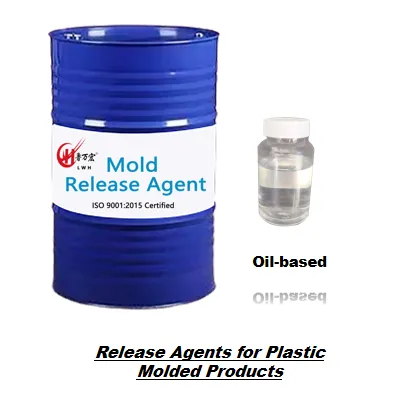
Manufacturing high-quality memory foam products requires precise control over the demolding process to prevent costly defects and material waste. A memory foam release agent plays a crucial role in ensuring smooth separation of the cured foam from mold surfaces without compromising product integrity. These specialized chemical formulations create a protective barrier between the foam and mold, significantly reducing the risk of tearing, surface imperfections, and adhesion-related failures that can occur during the demolding phase.
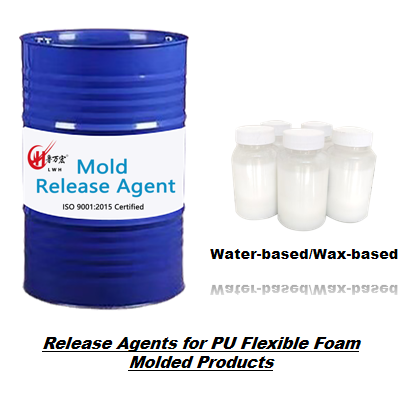
The demolding process represents one of the most critical stages in memory foam production, where manufacturers must balance speed and efficiency with product quality. Without proper release agent application, foam materials can adhere strongly to mold surfaces, leading to structural damage when force is applied during extraction. This challenge becomes particularly pronounced when working with complex mold geometries or high-density foam formulations that naturally exhibit stronger adhesive properties.
Understanding the science behind memory foam release agent effectiveness requires examining the molecular interactions between foam polymers and mold materials. During the curing process, polyurethane chains within the foam can form temporary bonds with metal or plastic mold surfaces, creating resistance to separation. Release agents interrupt this bonding mechanism by establishing a low-energy surface that prevents strong adhesion from developing in the first place.
Chemical Composition and Mechanism of Memory Foam Release Agents
Silicone-Based Release Agent Technology
Modern memory foam release agent formulations primarily utilize silicone-based compounds that offer superior non-stick properties and thermal stability. These agents contain polydimethylsiloxane polymers that migrate to the mold surface during application, forming an ultra-thin protective film. The low surface energy characteristics of silicone materials ensure minimal interaction between the foam and mold, facilitating effortless demolding even with intricate part geometries.
The molecular structure of silicone release agents provides exceptional durability and heat resistance, maintaining effectiveness throughout extended production cycles. Unlike traditional wax-based alternatives, silicone formulations do not degrade under the elevated temperatures typically encountered during foam curing processes. This stability translates to consistent demolding performance and reduced maintenance requirements for manufacturing operations.
Water-Based Versus Solvent-Based Formulations
Memory foam release agent products are available in both water-based and solvent-based configurations, each offering distinct advantages for specific manufacturing environments. Water-based formulations provide environmental benefits and reduced volatile organic compound emissions while maintaining effective release properties. These systems typically require slightly longer drying times but offer improved worker safety and compliance with stringent environmental regulations.
Solvent-based release agents deliver rapid application and immediate effectiveness, making them suitable for high-volume production scenarios where cycle time optimization is paramount. The carrier solvent evaporates quickly, leaving behind a concentrated release film that provides excellent demolding characteristics. However, proper ventilation and safety protocols are essential when working with solvent-based memory foam release agent products to ensure worker protection.
Application Techniques and Best Practices
Spray Application Methods
Proper application technique significantly influences the effectiveness of any memory foam release agent system. Spray application represents the most common method, utilizing either manual spray bottles or automated dispensing systems to achieve uniform coverage across mold surfaces. The key to successful spray application lies in maintaining consistent distance and overlap patterns to prevent thin spots or excessive buildup that could compromise product quality.
Automated spray systems offer superior consistency and can be programmed to deliver precise amounts of release agent to specific mold areas. These systems reduce material waste while ensuring complete coverage of complex geometries that might be difficult to reach with manual application methods. Proper nozzle selection and pressure settings are critical factors in achieving optimal spray patterns and droplet distribution.
Surface Preparation and Mold Conditioning
Effective memory foam release agent performance depends heavily on proper mold surface preparation and conditioning procedures. Clean mold surfaces free from residual foam particles, oils, or previous release agent buildup provide the optimal foundation for new applications. Regular cleaning with appropriate solvents or detergents removes contaminants that could interfere with release agent adhesion or create weak spots in the protective film.
Mold temperature management also plays a crucial role in release agent effectiveness. Applying the agent to molds at appropriate temperatures ensures proper film formation and adhesion to the surface. Excessively hot molds can cause premature release agent degradation, while cold surfaces may prevent adequate spreading and film development, both scenarios potentially leading to demolding difficulties.
Preventing Common Demolding Defects
Eliminating Surface Tearing and Ripping
Surface tearing represents one of the most common and costly defects in memory foam manufacturing, often resulting from inadequate release agent coverage or improper demolding techniques. A high-quality memory foam release agent creates a lubricious barrier that allows foam surfaces to slide smoothly against mold walls during extraction, preventing the mechanical damage that leads to tears and rips.
The elasticity and adhesion characteristics of memory foam make it particularly susceptible to surface damage when insufficient release properties are present. Even minor adhesion points can concentrate stress during demolding, propagating cracks that compromise product appearance and structural integrity. Consistent release agent application ensures uniform separation forces across the entire foam surface, distributing stress evenly and preventing localized failure points.
Minimizing Surface Texture Defects
Beyond preventing tears, memory foam release agent formulations must also preserve the intended surface texture and appearance of finished products. Inadequate release properties can cause foam surfaces to drag against mold features during extraction, creating unwanted texture variations or smoothing effects that alter the product's tactile characteristics. Premium release agents maintain the delicate balance between effective separation and surface preservation.
The chemical compatibility between release agent components and foam formulations becomes particularly important when addressing surface quality concerns. Some release agents can migrate into the foam structure or leave residual films that affect surface properties. Advanced memory foam release agent products are specifically designed to minimize these interactions while maintaining superior demolding performance.
Impact on Production Efficiency and Cost Control
Cycle Time Optimization
Implementing an effective memory foam release agent system directly impacts manufacturing cycle times and overall production efficiency. Smooth, consistent demolding reduces the time required for part extraction and minimizes the risk of production delays caused by stuck or damaged parts. This efficiency gain becomes particularly significant in high-volume manufacturing environments where even small improvements in cycle time translate to substantial productivity increases.
The durability characteristics of quality release agents also contribute to efficiency improvements by reducing the frequency of reapplication requirements. Long-lasting release films can withstand multiple molding cycles before requiring renewal, reducing material consumption and labor costs associated with frequent cleaning and reapplication procedures. This extended service life is especially valuable in automated production systems where minimizing interruptions is crucial for maintaining optimal throughput.
Quality Cost Reduction Strategies
Defect prevention through proper memory foam release agent selection and application represents a fundamental quality cost reduction strategy for foam manufacturers. The cost of rejected parts, rework operations, and customer complaints far exceeds the investment in premium release agent systems. By eliminating demolding-related defects at their source, manufacturers can significantly improve their overall quality metrics while reducing waste disposal costs and material losses.
Consistent product quality achieved through effective release agent use also supports premium pricing strategies and brand reputation development. Products that consistently meet or exceed quality expectations command higher market values and generate stronger customer loyalty, creating long-term competitive advantages that justify the investment in superior release agent technologies.
Environmental and Safety Considerations
Emission Control and Worker Safety
Modern memory foam release agent formulations increasingly emphasize environmental compliance and worker safety through reduced volatile organic compound content and elimination of hazardous ingredients. Water-based systems, in particular, offer significant advantages in terms of air quality maintenance and reduced exposure risks for production personnel. These formulations support sustainable manufacturing practices while maintaining the performance characteristics required for effective demolding operations.
Proper ventilation systems and personal protective equipment remain essential components of safe release agent handling procedures, regardless of the specific formulation type. Training programs that educate workers on proper application techniques, storage requirements, and emergency procedures ensure consistent safety compliance and optimal product performance throughout the manufacturing process.
Waste Reduction and Recycling Opportunities
The efficiency improvements achieved through effective memory foam release agent use contribute directly to waste reduction goals by minimizing defective product generation and material losses. Additionally, many modern release agent formulations are designed to support foam recycling initiatives by avoiding chemical interactions that could complicate downstream processing operations.
Container return programs and concentrate formulations further support environmental sustainability by reducing packaging waste and transportation emissions. These initiatives align with corporate sustainability goals while potentially offering cost savings through reduced material handling and disposal expenses.
FAQ
What factors determine the optimal memory foam release agent for specific applications
The selection of an appropriate memory foam release agent depends on several critical factors including foam density, mold material composition, production cycle requirements, and environmental considerations. High-density foams typically require more robust release systems due to their increased adhesive properties, while complex mold geometries may benefit from specialized formulations that provide enhanced flow and coverage characteristics. Temperature requirements, both for the mold and curing process, also influence agent selection as some formulations perform better under specific thermal conditions.
How frequently should release agents be reapplied during production runs
Reapplication frequency varies significantly based on the specific memory foam release agent formulation, production conditions, and part complexity. Premium silicone-based agents may provide effective release properties for 20-50 cycles or more, while basic formulations might require reapplication every 5-10 parts. Monitoring demolding force requirements and visual inspection of mold surfaces help determine optimal reapplication schedules. Establishing consistent application protocols based on actual performance data rather than arbitrary time intervals ensures both cost efficiency and quality consistency.
Can release agents affect the physical properties of memory foam products
Quality memory foam release agent formulations are specifically designed to minimize interaction with foam chemistry and physical properties. However, excessive application or use of incompatible formulations can potentially affect surface characteristics, compression properties, or durability. Proper application techniques that achieve adequate coverage without overuse help maintain product integrity. Conducting compatibility testing with specific foam formulations ensures that the selected release agent supports quality objectives while providing effective demolding performance.
What troubleshooting steps address persistent demolding difficulties despite release agent use
Persistent demolding problems often indicate issues with application technique, mold condition, or product compatibility rather than release agent failure. Common troubleshooting steps include verifying uniform coverage through visual inspection, checking mold surface cleanliness and temperature, and evaluating application timing relative to foam injection. Adjusting spray patterns, increasing application frequency, or switching to alternative formulations may resolve specific performance issues. Consulting with release agent suppliers can provide technical support for complex problems that require specialized solutions or custom formulations.
Table of Contents
- Chemical Composition and Mechanism of Memory Foam Release Agents
- Application Techniques and Best Practices
- Preventing Common Demolding Defects
- Impact on Production Efficiency and Cost Control
- Environmental and Safety Considerations
-
FAQ
- What factors determine the optimal memory foam release agent for specific applications
- How frequently should release agents be reapplied during production runs
- Can release agents affect the physical properties of memory foam products
- What troubleshooting steps address persistent demolding difficulties despite release agent use