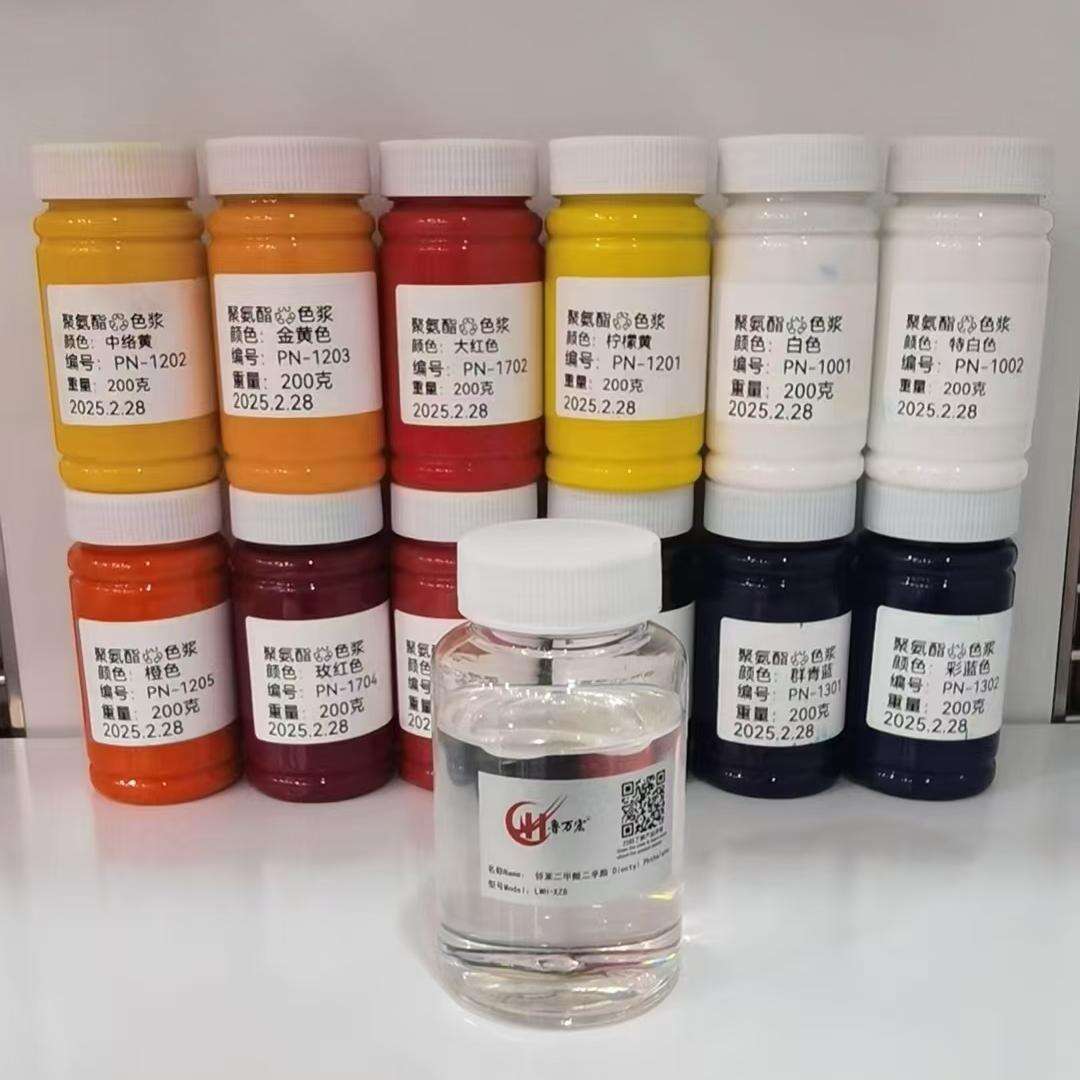
ελευθερωτικός παράγοντας για ινδικές ρούχες
Ο αποξητικός παράγοντας υαλοβάμβακα αποτελεί ένα κρίσιμο συστατικό στις διεργασίες παραγωγής σύνθετων υλικών, λειτουργώντας ως απαραίτητο εμπόδιο μεταξύ των μορφοποιημένων εξαρτημάτων και των αντίστοιχων καλουπιών. Αυτή η ειδική χημική σύνθεση εμποδίζει την ανεπιθύμητη πρόσφυση των συστημάτων ρητίνης στις επιφάνειες των καλουπιών, διασφαλίζοντας καθαρή απομόνωση των εξαρτημάτων και διατηρώντας εξαιρετική ποιότητα επιφάνειας. Η βασική λειτουργία του αποξητικού παράγοντα υαλοβάμβακα είναι η δημιουργία ενός λεπτού, αποτελεσματικού επιστρώματος-εμποδίου που επιτρέπει στους κατασκευαστές να παράγουν συνεπή, εξαιρετικής ποιότητας εξαρτήματα υαλοβάμβακα χωρίς να προκαλέσουν ζημιά στο τελικό προϊόν ή στον ακριβό εξοπλισμό εργαλείων. Οι σύγχρονες συνθέσεις αποξητικού παράγοντα υαλοβάμβακα χρησιμοποιούν προηγμένη πολυμερική χημεία και ενεργές επιφανειακά ενώσεις για την παροχή αξιόπιστης απόδοσης σε διάφορα περιβάλλοντα παραγωγής. Αυτοί οι παράγοντες λειτουργούν δημιουργώντας ένα μικροσκοπικό φιλμ στην επιφάνεια του καλουπιού, το οποίο χημικά απομονώνει τη σκληραίνουσα ρητίνη από την άμεση επαφή με το υλικό του καλουπιού. Τα τεχνολογικά χαρακτηριστικά των σύγχρονων συστημάτων αποξητικού παράγοντα υαλοβάμβακα περιλαμβάνουν βελτιωμένη θερμική σταθερότητα, ανωτέρα χημική αντίσταση και βελτιωμένη απόδοση μεταφοράς. Πολλές συνθέσεις περιλαμβάνουν τεχνολογίες βασισμένες σε σιλικόνη ή φθοροπολυμερή που παρέχουν εξαιρετικές ιδιότητες αντικόλλησης, διατηρώντας παράλληλα συμβατότητα με διάφορα συστήματα ρητίνης, συμπεριλαμβανομένων πολυεστέρων, εστέρων βινυλίου και εποξειδικών πινάκων. Οι δυνατότητες αντοχής στη θερμοκρασία επιτρέπουν στα προϊόντα αποξητικού παράγοντα υαλοβάμβακα να λειτουργούν αποτελεσματικά σε διεργασίες σκλήρυνσης υψηλής θερμοκρασίας χωρίς αποδόμηση ή απώλεια ιδιοτήτων αποξήτευσης. Οι εφαρμογές του αποξητικού παράγοντα υαλοβάμβακα καλύπτουν πολλές βιομηχανίες, όπως την αυτοκινητοβιομηχανία, την αεροδιαστημική, τη ναυτική, την κατασκευαστική και τη βιομηχανία κατασκευής αναψυκτικών οχημάτων. Σε εφαρμογές αυτοκινήτων, αυτοί οι παράγοντες διευκολύνουν την παραγωγή πανέλων σώματος, δομικών εξαρτημάτων και διακοσμητικών πλαισίων. Οι κατασκευαστές αεροδιαστημικών εξαρτημάτων βασίζονται στον αποξητικό παράγοντα υαλοβάμβακα για τη δημιουργία ελαφρών σύνθετων εξαρτημάτων που πληρούν αυστηρές απαιτήσεις απόδοσης. Οι ναυτικές εφαρμογές περιλαμβάνουν την κατασκευή της άρθρωσης, των εξαρτημάτων της γέφυρας και των εσωτερικών εγκαταστάσεων, όπου η συνεπής απόδοση αποξήτευσης εξασφαλίζει την αποδοτικότητα παραγωγής. Η ευελιξία των σύγχρονων συνθέσεων αποξητικού παράγοντα υαλοβάμβακα επιτρέπει τη χρήση τους τόσο σε διεργασίες χειροκίνητης επίστρωσης όσο και σε προηγμένες τεχνικές παραγωγής, όπως η χύτευση ρητίνης, η χύτευση ρητίνης με βοήθεια κενού και οι διεργασίες συμπίεσης.

 EN
EN