Premium Fiberglass Release Agent Solutions - Superior Performance & Reliability

All Categories

fiberglass release agent

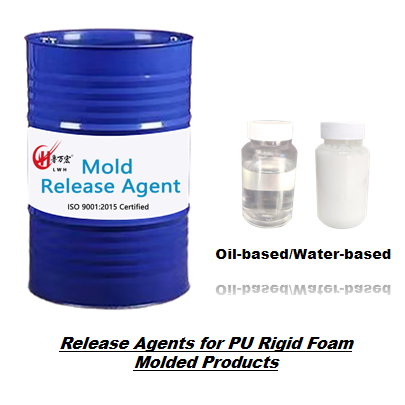
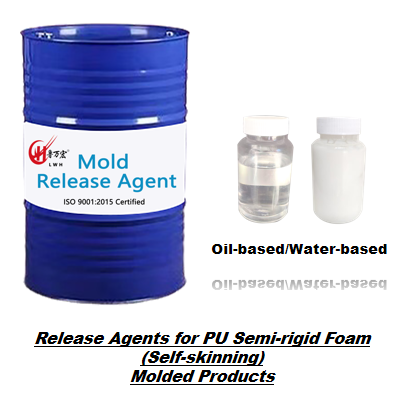
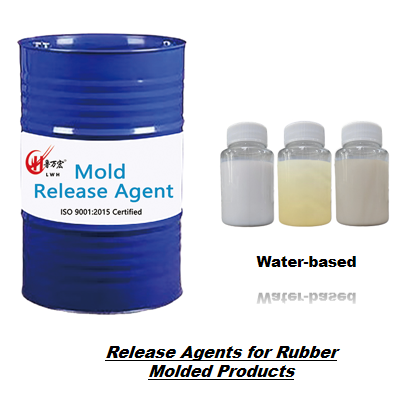
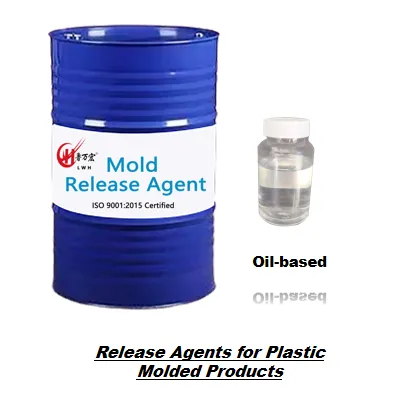
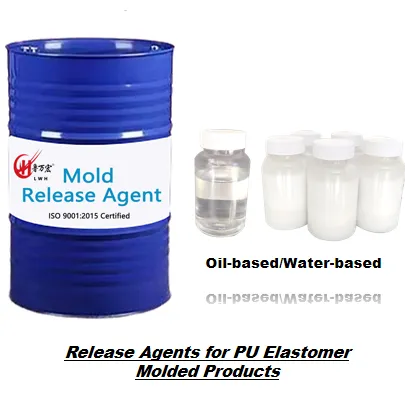
Fiberglass release agent represents a critical component in composite manufacturing processes, serving as an essential barrier between molded parts and their respective molds. This specialized chemical formulation prevents the unwanted adhesion of resin systems to mold surfaces, ensuring clean part separation while maintaining superior surface quality. The primary function of fiberglass release agent involves creating a thin, effective barrier layer that allows manufacturers to produce consistent, high-quality fiberglass components without damaging either the finished product or expensive tooling equipment. Modern fiberglass release agent formulations utilize advanced polymer chemistry and surface-active compounds to deliver reliable performance across diverse manufacturing environments. These agents work by forming a microscopic film on the mold surface, which chemically isolates the curing resin from direct contact with the mold material. The technological features of contemporary fiberglass release agent systems include enhanced thermal stability, superior chemical resistance, and improved transfer efficiency. Many formulations incorporate silicone-based or fluoropolymer technologies that provide exceptional non-stick properties while maintaining compatibility with various resin systems including polyester, vinyl ester, and epoxy matrices. Temperature resistance capabilities allow fiberglass release agent products to perform effectively in elevated temperature curing processes without degradation or loss of release properties. Applications for fiberglass release agent span numerous industries including automotive, aerospace, marine, construction, and recreational vehicle manufacturing. In automotive applications, these agents facilitate the production of body panels, structural components, and decorative trim pieces. Aerospace manufacturers rely on fiberglass release agent for creating lightweight composite parts that meet stringent performance requirements. Marine industry applications include hull construction, deck components, and interior fixtures where consistent release performance ensures production efficiency. The versatility of modern fiberglass release agent formulations enables their use in both hand lay-up processes and advanced manufacturing techniques such as resin transfer molding, vacuum assisted resin transfer molding, and compression molding operations.

New Product Releases

The advantages of using high-quality fiberglass release agent extend far beyond simple part separation, delivering substantial cost savings and operational benefits to manufacturers. First and foremost, these agents dramatically reduce production downtime by eliminating the need for extensive mold cleaning between production cycles. Without proper fiberglass release agent application, manufacturers often face costly delays as workers struggle to remove stuck parts, potentially damaging both the component and the expensive tooling. Quality release agents create consistent separation every time, allowing production teams to maintain steady output rates and meet demanding delivery schedules. Cost-effectiveness represents another major advantage, as fiberglass release agent prevents the destruction of valuable parts and protects expensive molds from damage. When parts stick to molds, the removal process frequently results in scrapped components, wasted materials, and potential mold surface damage requiring costly repairs or replacement. Professional-grade release agents virtually eliminate these risks, protecting your investment in both tooling and raw materials. Surface quality improvements constitute a significant benefit that directly impacts product marketability. Fiberglass release agent ensures that finished parts exhibit smooth, consistent surface textures without blemishes, pull marks, or other defects associated with difficult part removal. This superior surface quality reduces or eliminates secondary finishing operations, saving both time and labor costs while improving the final product appearance. Versatility in application methods provides manufacturers with flexibility to optimize their specific production processes. Modern fiberglass release agent formulations can be applied using various techniques including brushing, rolling, spraying, or wiping, allowing adaptation to different mold geometries and production requirements. This flexibility enables manufacturers to select application methods that best suit their facility capabilities and production volumes. Extended mold life represents a substantial long-term advantage that significantly impacts operational costs. Regular use of appropriate fiberglass release agent protects mold surfaces from chemical attack and mechanical damage, extending tooling life and reducing replacement frequency. This protection translates into improved return on tooling investment and reduced maintenance requirements. Environmental benefits include reduced solvent emissions and improved workplace safety compared to traditional release systems. Many modern fiberglass release agent formulations feature low VOC content and water-based chemistry that minimizes environmental impact while maintaining excellent performance characteristics. Enhanced productivity results from streamlined production processes that require less manual intervention and reduce the skill level required for successful part release, enabling manufacturers to optimize their workforce allocation and training requirements.

Practical Tips

How to Improve Mold Efficiency with Chinese Polyurethane Release Agent?

23

Jul

How to Improve Mold Efficiency with Chinese Polyurethane Release Agent?

Enhancing Mold Production Through Smart Chemical Choices In the competitive landscape of manufacturing, mold efficiency is not just a technical priority but a financial necessity. Optimizing how molds perform can drastically reduce cycle times, minim...
View More
Why Manufacturers Prefer Chinese Polyurethane Release Agent Today?

23

Jul

Why Manufacturers Prefer Chinese Polyurethane Release Agent Today?

Understanding the Rising Popularity of Chinese Polyurethane Release Agent Chinese polyurethane release agent has become increasingly favored by manufacturers worldwide due to its unique combination of high performance and cost-effectiveness. As indus...
View More
Epoxy Resin Release Agent Applications in Casting and Composites

27

Aug

Epoxy Resin Release Agent Applications in Casting and Composites

Understanding the Essential Role of Release Agents in Epoxy Applications In the world of manufacturing and crafting with epoxy resins, success often hinges on the proper use of release agents. These specialized compounds play a crucial role in ensuri...
View More
How Does PU HR Release Agent Improve Mold Performance?

27

Oct

How Does PU HR Release Agent Improve Mold Performance?

Maximizing Industrial Mold Efficiency with Advanced Release Agents The manufacturing industry continually seeks innovative solutions to enhance production efficiency and product quality. Among these advancements, PU HR release agent has emerged as a ...
View More

Get a Free Quote

Our representative will contact you soon.
Email
Name
Company Name
Message
0/1000

fiberglass release agent

Superior Release Performance and Consistency

Superior Release Performance and Consistency

The most distinctive advantage of premium fiberglass release agent lies in its ability to deliver consistently reliable release performance across thousands of production cycles. Unlike inferior alternatives that may work sporadically, professional-grade fiberglass release agent creates dependable separation between composite parts and molds through advanced chemical engineering. The molecular structure of quality release agents forms uniform, microscopic barriers that prevent resin infiltration into mold surface pores while maintaining optimal thickness for effective release. This consistency eliminates the unpredictability that plagues many manufacturing operations, where inconsistent release performance can halt production lines and create costly delays. Advanced fiberglass release agent formulations incorporate carefully balanced surfactant systems that provide excellent wetting characteristics, ensuring complete coverage even on complex mold geometries with undercuts, sharp corners, and textured surfaces. The chemical stability of these formulations prevents degradation during extended exposure to elevated temperatures and aggressive chemical environments typically encountered in composite manufacturing. Temperature cycling, which often causes inferior release agents to fail, actually helps premium fiberglass release agent products establish more effective barrier layers through thermal activation of specialized polymer components. The durability of professional release systems means fewer applications are required per production run, reducing material consumption and labor requirements while maintaining superior performance. Quality fiberglass release agent products resist contamination from environmental factors such as humidity, dust, and airborne particles that can compromise release effectiveness. The self-leveling properties of advanced formulations automatically correct minor application inconsistencies, ensuring uniform film thickness and eliminating potential failure points. Long-term performance data demonstrates that premium fiberglass release agent systems maintain effectiveness even after extended storage periods, providing manufacturers with inventory flexibility and reducing waste from expired products. The predictable nature of quality release agents enables manufacturers to establish standardized operating procedures and quality control protocols that ensure consistent results regardless of operator experience levels. This reliability translates directly into improved production planning capabilities, reduced inventory requirements for backup materials, and enhanced customer satisfaction through on-time delivery performance.
Advanced Chemical Compatibility and Versatility

Advanced Chemical Compatibility and Versatility

Modern fiberglass release agent technology demonstrates exceptional chemical compatibility across a broad spectrum of resin systems, catalysts, and additives commonly used in composite manufacturing. This versatility represents a crucial competitive advantage for manufacturers who work with multiple resin types or frequently change formulations to meet specific customer requirements. Premium fiberglass release agent products undergo extensive compatibility testing with polyester resins, vinyl ester systems, epoxy formulations, and specialty thermoset materials to ensure consistent performance without interference with curing chemistry. The molecular design of advanced release agents prevents migration of active components into the resin matrix, eliminating concerns about surface contamination or compromised mechanical properties in finished parts. Chemical inertness ensures that fiberglass release agent application does not affect gel times, cure rates, or final material properties, allowing manufacturers to maintain existing process parameters while gaining improved release performance. Compatibility extends beyond basic resin systems to include specialized additives such as flame retardants, UV stabilizers, pigments, and reinforcement coupling agents commonly used in high-performance applications. This broad compatibility eliminates the need for multiple release agent inventories, simplifying procurement and reducing storage requirements while ensuring optimal performance across diverse production requirements. The stability of quality fiberglass release agent formulations prevents adverse reactions with mold materials including steel, aluminum, composite tooling, and specialized surface coatings. Temperature compatibility enables effective performance across the full range of processing conditions from room temperature wet lay-up operations to elevated temperature compression molding and autoclave curing processes. Advanced fiberglass release agent chemistry resists degradation from exposure to styrene emissions, acetone cleaning solvents, and other chemicals commonly present in composite manufacturing environments. The non-reactive nature of premium formulations ensures long-term mold surface protection without building up residue layers that can affect part quality or dimensional accuracy. Versatility in application methods allows the same fiberglass release agent product to be used effectively in hand lay-up operations, spray-up processes, resin transfer molding, and vacuum bagging techniques. This flexibility enables manufacturers to standardize on a single release agent system across multiple production processes, reducing training requirements and inventory complexity while maintaining optimal performance in each application.
Enhanced Production Efficiency and Cost Optimization

Enhanced Production Efficiency and Cost Optimization

The economic benefits of implementing professional-grade fiberglass release agent systems extend throughout the entire manufacturing operation, delivering measurable improvements in production efficiency and substantial cost reductions. Streamlined part removal processes eliminate the labor-intensive efforts typically required to separate difficult parts, allowing production teams to focus on value-added activities rather than struggling with stuck components. Time savings from consistent, easy part release directly translate into increased throughput capacity, enabling manufacturers to produce more parts per shift without additional equipment or personnel investments. The elimination of part damage during removal processes protects valuable work-in-process inventory and prevents costly rework or scrap situations that negatively impact profitability. Quality fiberglass release agent application reduces the frequency of mold cleaning operations, as properly released parts leave minimal residue on mold surfaces compared to situations where parts must be forcibly removed. This reduction in cleaning frequency extends productive time and reduces consumption of expensive cleaning solvents and supplies. Predictable release performance enables manufacturers to implement lean manufacturing principles by reducing work-in-process inventory buffers and safety stock requirements. The consistency provided by premium fiberglass release agent allows for more accurate production scheduling and capacity planning, improving overall operational efficiency and customer service levels. Reduced mold maintenance requirements result from the protective barrier created by quality release agents, which prevents chemical attack and mechanical damage to expensive tooling surfaces. Extended mold life cycles reduce amortization costs and minimize disruptions caused by tooling replacement or refurbishment activities. Energy efficiency improvements result from reduced heating requirements during part removal processes, as properly released parts separate easily without requiring additional thermal cycling or extended heating periods. Labor productivity gains extend beyond simple time savings to include reduced physical strain on workers, leading to improved safety records and reduced workers compensation costs. Training requirements decrease significantly when using reliable fiberglass release agent systems, as new employees can achieve consistent results with minimal instruction compared to the extensive experience required for managing problematic release situations. Quality control costs diminish through reduced inspection requirements and lower rejection rates associated with surface defects caused by difficult part removal. The predictable nature of professional release systems enables automated production processes and robotic part handling systems that further enhance efficiency while reducing labor costs and improving consistency in high-volume manufacturing operations.

Get a Free Quote

Our representative will contact you soon.
Email
Name
Company Name
Message
0/1000