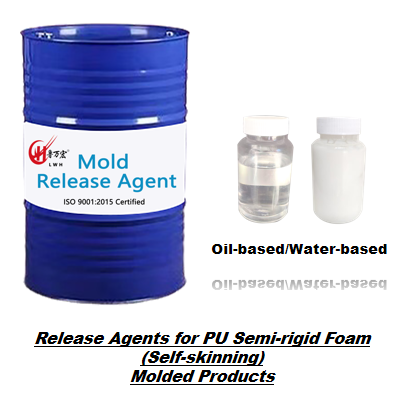
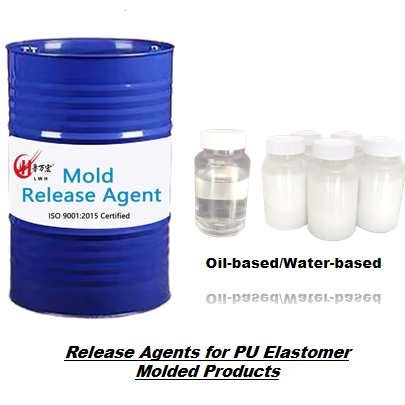
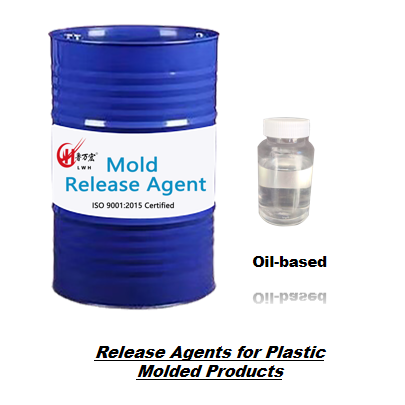
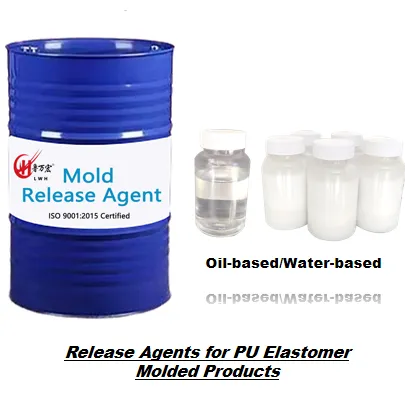
Professional Rubber Mold Release Agent - Superior Performance & Protection

All Categories

rubber mold release agent

A rubber mold release agent represents a specialized chemical solution designed to prevent adhesion between molded products and their manufacturing molds during the production process. This essential industrial compound creates a thin, protective barrier on mold surfaces, ensuring smooth product removal while maintaining surface quality and extending mold lifespan. The rubber mold release agent functions through advanced formulation chemistry that provides excellent lubrication properties without compromising the final product's integrity or appearance. Modern rubber mold release agents incorporate sophisticated polymer technologies and carefully selected additives to deliver consistent performance across diverse manufacturing environments. These agents work by forming a molecular-level coating that reduces surface tension between the mold and the rubber material being processed. The formulation typically includes silicone-based compounds, waxes, or specialized synthetic polymers that maintain stability under varying temperature and pressure conditions. Manufacturing facilities rely on rubber mold release agents to maintain production efficiency and product quality standards. The agent's technological features include thermal stability, chemical resistance, and compatibility with various rubber compounds including natural rubber, synthetic rubber, and specialty elastomers. Advanced rubber mold release agents offer extended release cycles, reducing the frequency of reapplication and minimizing production downtime. The application process involves spray, brush, or dip coating methods, depending on mold complexity and production requirements. Key applications span automotive component manufacturing, industrial rubber parts production, consumer goods manufacturing, and specialized molding operations. The rubber mold release agent proves particularly valuable in high-volume production environments where consistent release performance directly impacts operational efficiency and cost control. Quality rubber mold release agents demonstrate excellent transfer resistance, ensuring minimal residue buildup on finished products while maintaining mold cleanliness throughout extended production runs.

New Product Recommendations

Rubber mold release agents deliver substantial operational benefits that directly impact manufacturing efficiency and product quality. The primary advantage centers on dramatic reduction in production downtime caused by stuck or damaged parts during demolding processes. Manufacturing facilities experience significant cost savings through reduced scrap rates and improved first-pass yield percentages when using quality rubber mold release agents. These specialized compounds eliminate the need for aggressive mechanical removal techniques that often damage both molds and finished products, resulting in extended mold life and reduced replacement costs. The rubber mold release agent creates consistent surface finishes on molded products, eliminating surface defects and reducing secondary finishing operations. Production managers appreciate the predictable release performance that enables accurate scheduling and capacity planning. The agent's formulation ensures compatibility with various rubber compounds, eliminating the need for multiple specialized release systems in diverse production environments. Temperature stability represents another crucial advantage, as quality rubber mold release agents maintain effectiveness across wide temperature ranges typically encountered in industrial molding operations. The reduced cleaning frequency requirement translates to lower maintenance costs and increased machine availability for productive operations. Workers benefit from safer demolding processes that require less physical force and reduce workplace injury risks associated with manual part removal. Quality control improvements result from more consistent product dimensions and surface characteristics when using appropriate rubber mold release agents. Environmental benefits include reduced waste generation through improved part quality and extended mold service life. The economic impact extends beyond direct material costs, encompassing labor efficiency gains, reduced equipment wear, and improved overall equipment effectiveness metrics. Inventory management becomes simplified when using versatile rubber mold release agents compatible with multiple production processes. The agent's spray application capability enables automated systems integration, supporting lean manufacturing initiatives and reducing labor requirements. Customer satisfaction increases through improved product consistency and reduced delivery delays caused by production complications. Long-term facility profitability benefits from the compound effects of reduced maintenance costs, improved productivity, and enhanced product quality standards achieved through proper rubber mold release agent implementation.

Practical Tips

Top Benefits of Using Chinese Polyurethane Release Agent in Manufacturing

23

Jul

Top Benefits of Using Chinese Polyurethane Release Agent in Manufacturing

Enhancing Productivity with Advanced Release Solutions In modern industrial manufacturing, efficiency and material performance are fundamental to remaining competitive. One of the essential tools contributing to production efficiency is the use of re...
View More
Top Advantages of Oil Based Release Agent for Manufacturing

27

Oct

Top Advantages of Oil Based Release Agent for Manufacturing

Understanding the Revolutionary Impact of Release Agents in Modern Manufacturing The manufacturing industry continues to evolve with innovative solutions that enhance production efficiency and product quality. Among these innovations, oil based relea...
View More
How to Apply PU Flexible Foam Release Agent for Best Results?

27

Oct

How to Apply PU Flexible Foam Release Agent for Best Results?

Mastering the Application of Release Agents in Polyurethane Foam Production The successful production of polyurethane flexible foam products heavily depends on the proper application of release agents. These specialized chemicals play a crucial role ...
View More
How Does PU HR Release Agent Improve Mold Performance?

27

Oct

How Does PU HR Release Agent Improve Mold Performance?

Maximizing Industrial Mold Efficiency with Advanced Release Agents The manufacturing industry continually seeks innovative solutions to enhance production efficiency and product quality. Among these advancements, PU HR release agent has emerged as a ...
View More

Get a Free Quote

Our representative will contact you soon.
Email
Name
Company Name
Message
0/1000

rubber mold release agent

Superior Release Performance Technology

Superior Release Performance Technology

The advanced formulation technology behind modern rubber mold release agents represents a breakthrough in industrial manufacturing efficiency. This sophisticated chemical engineering creates molecular-level barriers that ensure consistent, reliable part separation from molds without compromising surface quality or dimensional accuracy. The rubber mold release agent utilizes proprietary polymer chemistry that bonds temporarily to mold surfaces while remaining completely inert to rubber compounds during the curing process. This dual-action mechanism provides exceptional release performance while maintaining chemical stability under extreme processing conditions. The technology incorporates carefully balanced surfactant systems that reduce interfacial tension between mold surfaces and rubber materials, creating optimal conditions for effortless demolding. Manufacturing engineers value this technology because it delivers predictable results across varying environmental conditions, including temperature fluctuations, humidity changes, and pressure variations commonly encountered in production facilities. The rubber mold release agent's molecular structure prevents migration into rubber compounds, ensuring that finished products maintain their specified properties and performance characteristics. Advanced testing protocols validate the agent's effectiveness across multiple release cycles, demonstrating consistent performance that enables reliable production planning and quality assurance programs. The technology platform supports both manual and automated application systems, providing flexibility for diverse manufacturing operations while maintaining uniform coverage and performance standards. Quality control laboratories can verify the rubber mold release agent's effectiveness through standardized testing procedures that measure release force, surface contamination levels, and residue transfer rates. This technological superiority translates directly into operational advantages including reduced cycle times, improved part quality, and decreased maintenance requirements that collectively enhance manufacturing competitiveness and profitability.
Enhanced Mold Protection and Longevity

Enhanced Mold Protection and Longevity

Rubber mold release agents provide exceptional mold protection capabilities that significantly extend equipment service life while reducing maintenance costs and replacement frequency. The protective barrier formed by quality rubber mold release agents shields mold surfaces from chemical attack, mechanical wear, and thermal stress that typically cause premature deterioration and costly repairs. This protection mechanism works through advanced surface chemistry that creates a durable, renewable coating resistant to abrasion, corrosion, and thermal cycling damage. Manufacturing facilities report substantial cost savings through extended mold replacement intervals and reduced reconditioning requirements when implementing proper rubber mold release agent programs. The protective properties prevent rubber compound adhesion that can cause surface pitting, scratching, and dimensional changes in precision molds used for critical component production. Regular application of rubber mold release agents maintains optimal mold surface conditions, preserving the fine detail and surface finish quality essential for high-specification products. The agent's formulation includes corrosion inhibitors that protect metal mold surfaces from oxidation and chemical degradation caused by reactive rubber compounds and processing chemicals. Temperature resistance characteristics ensure that the protective barrier remains effective throughout normal processing temperature ranges, preventing thermal shock damage and surface cracking. Mold cleaning operations become less frequent and less aggressive when using effective rubber mold release agents, reducing wear from chemical cleaners and mechanical scrubbing that gradually degrades mold surfaces. Production managers appreciate the predictable mold performance and extended service intervals that enable better maintenance scheduling and capital equipment planning. The economic benefits of enhanced mold longevity compound over time, as reduced replacement costs and improved production reliability contribute significantly to manufacturing profitability and competitive advantage in demanding market conditions.
Versatile Application Methods and Compatibility

Versatile Application Methods and Compatibility

The versatility of modern rubber mold release agents encompasses multiple application methods and broad compatibility with various rubber compounds, making them essential tools for diverse manufacturing operations. This adaptability allows manufacturers to implement standardized release agent systems across multiple production lines while maintaining optimal performance for different product types and processing conditions. The rubber mold release agent supports spray application systems that provide uniform coverage with minimal waste, enabling automated integration into high-volume production environments. Brush application methods offer precise control for complex mold geometries and detailed surface areas where uniform coverage requires careful attention to intricate features and undercuts. Dip coating applications provide complete coverage for smaller molds or specialized components requiring thorough protection and release performance. The rubber mold release agent demonstrates excellent compatibility with natural rubber compounds, synthetic elastomers, and specialty polymer formulations used in demanding applications. This broad compatibility eliminates the need for multiple specialized release systems, simplifying inventory management and reducing training requirements for production personnel. Chemical compatibility testing validates the agent's inertness with various rubber accelerators, cross-linking agents, and processing additives commonly used in industrial rubber manufacturing. The formulation's stability under different storage conditions ensures consistent performance regardless of environmental factors or storage duration. Quality assurance protocols can easily verify application adequacy through visual inspection and simple testing procedures that confirm proper coverage and performance readiness. Maintenance teams appreciate the straightforward cleanup procedures and low residue characteristics that prevent buildup problems and maintain equipment cleanliness standards. The rubber mold release agent's user-friendly properties support both experienced operators and new personnel, reducing training time and improving overall production consistency across shifts and facilities.

Get a Free Quote

Our representative will contact you soon.
Email
Name
Company Name
Message
0/1000