Premium Anti Static Soft Foam Release Agent - Advanced Mold Release Solution

All Categories

anti static soft foam release agent

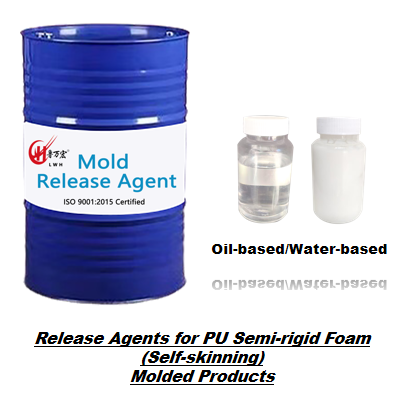
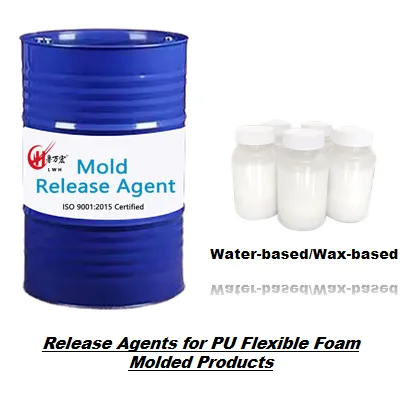
Anti static soft foam release agent represents a specialized chemical solution designed to facilitate the smooth removal of foam products from manufacturing molds while preventing static electricity buildup. This innovative formulation combines traditional mold release properties with advanced anti-static capabilities, creating a dual-purpose product that addresses two critical manufacturing challenges simultaneously. The anti static soft foam release agent works by forming a microscopic barrier layer between the foam material and the mold surface, ensuring clean separation without damaging either component. The anti-static properties are achieved through carefully selected conductive additives that dissipate electrical charges before they can accumulate to problematic levels. This technology proves particularly valuable in environments where static electricity could ignite flammable vapors or damage sensitive electronic components. The soft foam compatibility ensures that delicate cellular structures remain intact during the demolding process, maintaining product quality and reducing waste. Manufacturing facilities benefit from improved production efficiency as parts release consistently without requiring excessive force or causing mold damage. The agent's formulation includes lubricating compounds that reduce friction between surfaces, extending mold life and reducing maintenance requirements. Temperature stability allows the anti static soft foam release agent to perform effectively across various operating conditions, from room temperature applications to elevated molding temperatures. The product typically applies through spray systems, brushing, or wiping methods, providing flexibility in application techniques based on specific manufacturing requirements. Quality control measures ensure consistent performance batch after batch, giving manufacturers confidence in their production processes. Environmental considerations have been incorporated into modern formulations, with many versions offering reduced volatile organic compound emissions while maintaining effectiveness.

New Products

The anti static soft foam release agent delivers significant cost savings through reduced production downtime and improved manufacturing efficiency. When foam products release cleanly from molds on the first attempt, manufacturers avoid the expensive delays associated with stuck parts or damaged tooling. The anti-static properties eliminate the need for separate static control measures, reducing equipment costs and simplifying production workflows. Workers experience safer operating conditions as static discharge risks are minimized, protecting both personnel and sensitive equipment from electrical damage. Product quality improvements result from consistent release performance that prevents surface defects, tears, or dimensional distortions commonly caused by difficult part removal. The gentle release action preserves the integrity of delicate foam cell structures, ensuring final products meet specifications without requiring additional processing steps. Mold maintenance costs decrease substantially because the anti static soft foam release agent reduces wear and tear on tooling surfaces. The lubricating properties create a protective barrier that prevents foam materials from bonding permanently to mold surfaces, extending tool life significantly. Production throughput increases as cycle times reduce when parts release effortlessly, allowing manufacturers to meet delivery schedules more reliably. Quality assurance processes become more predictable as consistent release performance eliminates variables that could affect product specifications. The versatility of application methods means existing production equipment can often accommodate the anti static soft foam release agent without requiring expensive modifications. Training requirements are minimal as most production staff can quickly learn proper application techniques. Inventory management simplifies when one product addresses both release and anti-static requirements, reducing storage space needs and purchasing complexity. Environmental benefits include reduced waste generation as fewer parts are scrapped due to release-related defects. The long-lasting effectiveness means less frequent reapplication compared to conventional release agents, further reducing material consumption and labor costs.

Practical Tips

How to Use FRP Release Agents for Cleaner Mold Separation?

27

Aug

How to Use FRP Release Agents for Cleaner Mold Separation?

Mastering the Art of FRP Release Agents In the world of composite manufacturing, achieving clean and efficient mold separation is crucial for producing high-quality FRP (Fiber Reinforced Plastic) parts. FRP release agents play a vital role in this pr...
View More
Top Advantages of Oil Based Release Agent for Manufacturing

27

Oct

Top Advantages of Oil Based Release Agent for Manufacturing

Understanding the Revolutionary Impact of Release Agents in Modern Manufacturing The manufacturing industry continues to evolve with innovative solutions that enhance production efficiency and product quality. Among these innovations, oil based relea...
View More
How Luwanhong Release Agent Delivers Consistency and Reliability

27

Oct

How Luwanhong Release Agent Delivers Consistency and Reliability

Achieving Manufacturing Excellence Through Advanced Release Agents In the demanding world of industrial manufacturing, the quality and reliability of release agents play a pivotal role in production success. The Luwanhong release agent has emerged as...
View More
How Does PU HR Release Agent Improve Mold Performance?

27

Oct

How Does PU HR Release Agent Improve Mold Performance?

Maximizing Industrial Mold Efficiency with Advanced Release Agents The manufacturing industry continually seeks innovative solutions to enhance production efficiency and product quality. Among these advancements, PU HR release agent has emerged as a ...
View More

Get a Free Quote

Our representative will contact you soon.
Email
Name
Company Name
Message
0/1000

anti static soft foam release agent

Advanced Static Electricity Control Technology

Advanced Static Electricity Control Technology

The anti static soft foam release agent incorporates sophisticated conductive polymer technology that provides superior static electricity dissipation compared to conventional release agents. This advanced formulation contains carefully engineered conductive additives that create controlled pathways for electrical charge dissipation, preventing the dangerous accumulation of static electricity during foam demolding operations. The technology works at the molecular level, where conductive particles form a network within the release agent matrix, ensuring consistent anti-static performance across the entire mold surface. Manufacturing environments with low humidity conditions particularly benefit from this technology, as these conditions typically exacerbate static buildup problems. The anti static soft foam release agent maintains its conductive properties even after multiple molding cycles, providing reliable protection throughout extended production runs. Quality control testing demonstrates that static charge levels remain within safe limits even when processing materials known for high static generation potential. The conductive network responds instantly to charge buildup, dissipating electricity before it reaches levels that could cause equipment damage or safety hazards. This technology proves especially valuable in facilities manufacturing foam components for electronic applications, where static discharge could damage sensitive circuits or components. The formulation balances conductivity with other performance requirements, ensuring that anti-static properties do not compromise release effectiveness or surface finish quality. Regular monitoring confirms that the anti static soft foam release agent maintains consistent electrical resistance values, providing predictable performance for quality assurance purposes. The technology adapts to various foam chemistries without requiring formulation changes, making it suitable for diverse manufacturing applications. Implementation requires no special equipment modifications, as the anti-static properties are inherent to the release agent itself rather than requiring separate application systems.
Superior Foam Compatibility and Gentle Release Action

Superior Foam Compatibility and Gentle Release Action

The anti static soft foam release agent features specialized chemistry designed specifically for compatibility with soft foam materials, ensuring gentle release action that preserves product integrity while maintaining excellent anti-static performance. The formulation incorporates low-surface-energy compounds that create an effective barrier between foam and mold surfaces without penetrating the cellular structure of delicate foam materials. This compatibility extends to various foam types, including polyurethane foams, latex foams, and specialty cellular materials used in automotive, furniture, and packaging applications. The gentle release mechanism prevents the tearing, stretching, or compression damage commonly associated with aggressive demolding processes. Surface tension properties are carefully calibrated to provide complete coverage while avoiding excessive penetration that could affect foam density or cell structure uniformity. The anti static soft foam release agent works effectively with both open-cell and closed-cell foam configurations, adapting to different porosity levels without compromising performance. Temperature cycling tests demonstrate that the release properties remain consistent across typical molding temperature ranges, ensuring reliable performance regardless of processing conditions. The formulation includes stabilizing agents that prevent degradation during extended exposure to elevated temperatures, maintaining effectiveness throughout demanding production schedules. Quality testing protocols verify that treated foam surfaces retain their original texture and appearance characteristics, meeting strict cosmetic requirements for visible applications. The release action occurs smoothly and progressively, allowing controlled part removal that minimizes stress concentration points within the foam structure. Compatibility testing with various mold materials confirms that the anti static soft foam release agent works effectively with aluminum, steel, composite, and specialty tooling materials. The gentle chemistry prevents chemical attack on sensitive mold coatings or treatments, preserving tooling investments while delivering consistent release performance. Long-term stability studies show that foam products released using this agent maintain their physical properties over extended storage periods.
Enhanced Production Efficiency and Cost Effectiveness

Enhanced Production Efficiency and Cost Effectiveness

The anti static soft foam release agent delivers exceptional production efficiency improvements through its dual-action formulation that addresses both release and static control requirements simultaneously, eliminating the need for separate processing steps and reducing overall manufacturing costs. This efficiency translates directly into measurable productivity gains as cycle times decrease when parts release consistently on the first attempt without requiring manual intervention or rework procedures. The cost effectiveness extends beyond material savings to encompass reduced labor requirements, as production staff spend less time troubleshooting release problems or cleaning molds between cycles. Comprehensive testing demonstrates that the anti static soft foam release agent maintains its effectiveness for extended periods, requiring less frequent reapplication compared to conventional release agents and reducing material consumption costs. The dual functionality eliminates the capital expense and maintenance requirements associated with separate static control equipment, providing immediate return on investment for manufacturing facilities. Production scheduling becomes more predictable as release-related delays are virtually eliminated, allowing manufacturers to meet customer delivery commitments more reliably. The consistent performance characteristics enable automated production systems to operate with minimal human supervision, reducing labor costs while improving output consistency. Quality assurance processes become more streamlined as the predictable release performance reduces variables that could affect final product specifications. Inventory management simplifies significantly when one product replaces multiple specialty chemicals, reducing storage requirements and purchasing complexity. The anti static soft foam release agent proves particularly cost effective in high-volume production environments where small efficiency improvements compound into substantial savings over time. Training costs decrease as operators need to learn only one application procedure instead of managing separate release and anti-static protocols. Maintenance intervals extend for molding equipment as the protective properties of the release agent reduce wear on tooling surfaces, lowering long-term operational costs. Environmental compliance becomes more straightforward with fewer chemical products requiring safety documentation and disposal procedures.

Get a Free Quote

Our representative will contact you soon.
Email
Name
Company Name
Message
0/1000