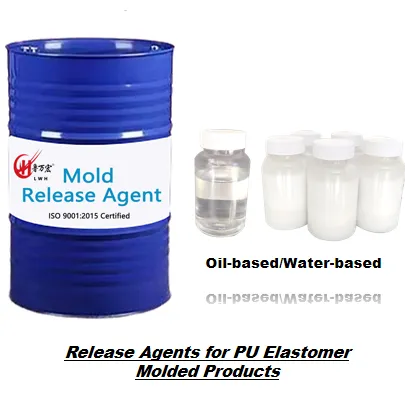
agente antiaderente per la lavorazione per iniezione
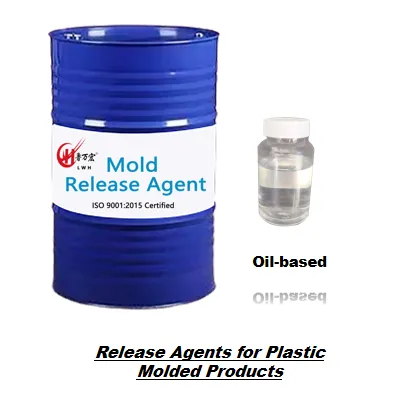
L'agente distaccante per stampaggio a iniezione rappresenta una soluzione chimica fondamentale progettata per facilitare la separazione tra parti in plastica stampate e superfici metalliche degli stampi durante il processo di stampaggio a iniezione. Queste formulazioni specializzate creano uno strato sottilissimo che impedisce l'adesione tra il materiale polimerico e la cavità dello stampo, garantendo un'estrazione regolare dei pezzi preservando al contempo la qualità superficiale e la precisione dimensionale. La funzione principale dell'agente distaccante per stampaggio a iniezione consiste nel ridurre il coefficiente di attrito tra il componente in plastica solidificato e le pareti dello stampo, minimizzando così le forze di espulsione e prevenendo danni ai pezzi o usura degli stampi. Le caratteristiche tecnologiche avanzate includono un'elevata stabilità termica, che consente all'agente di mantenere la propria efficacia a temperature elevate comprese tra 150°C e 300°C. La formulazione incorpora composti speciali a base di silicone, fluoropolimeri o sistemi a base di cera, che offrono eccellenti proprietà di diffusione e una copertura uniforme anche su geometrie complesse degli stampi. Questi agenti dimostrano una notevole resistenza chimica nei confronti di chimiche polimeriche aggressive e mantengono le loro proprietà distaccanti durante cicli produttivi prolungati. Le moderne formulazioni di agenti distaccanti per stampaggio a iniezione offrono benefici multifunzionali, inclusi effetti anti-statici, un migliore finitura superficiale e una riduzione dei tempi di ciclo. L'applicazione comprende settori diversificati come automotive, elettronica, dispositivi medici, beni di consumo e componentistica aerospaziale. Tali agenti risultano particolarmente preziosi nella produzione di geometrie complesse con estrusioni profonde, sotto-squadri o texture superficiali intricate, dove i tradizionali sistemi di espulsione meccanica potrebbero rivelarsi insufficienti. La tecnologia alla base degli agenti distaccanti per stampaggio a iniezione continua a evolversi verso formulazioni ecocompatibili che eliminano i composti organici volatili pur mantenendo standard prestazionali elevati. I produttori qualificati garantiscono che i loro prodotti soddisfino rigorose certificazioni per uso alimentare, necessarie per applicazioni nel confezionamento e nella produzione di beni di consumo, fornendo inoltre gradi specializzati per componenti ottici ad alta precisione e alloggiamenti elettronici.

 EN
EN