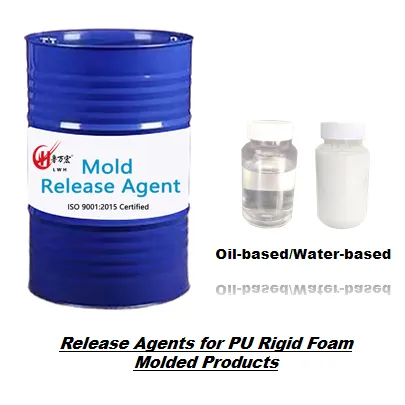
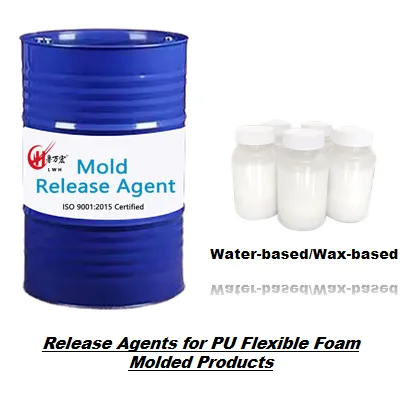
Premium Soft Foam Release Agent for Automotive Seats - Enhanced Manufacturing Solutions

All Categories

soft foam release agent for automotive seats

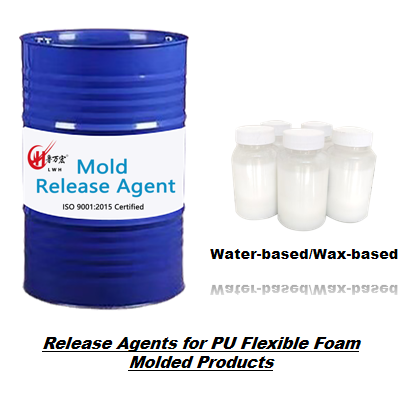
Soft foam release agent for automotive seats represents a specialized chemical solution engineered to facilitate the efficient manufacturing of automotive seating components. This innovative product serves as a crucial interface between polyurethane foam and mold surfaces during the production process, ensuring clean separation and optimal surface quality. The primary function of this soft foam release agent for automotive seats involves creating a thin, uniform barrier that prevents foam adhesion to mold surfaces while maintaining the integrity of the finished product. Modern automotive manufacturers rely heavily on these specialized formulations to achieve consistent production quality and operational efficiency. The technological features of soft foam release agent for automotive seats include advanced silicone-based chemistry that provides excellent thermal stability and compatibility with various foam densities. These agents are formulated to withstand the high temperatures generated during foam curing processes, typically ranging from 60 to 80 degrees Celsius. The chemical composition ensures minimal transfer to the foam surface, preserving the material properties required for automotive applications. Additionally, the soft foam release agent for automotive seats incorporates anti-static properties that reduce dust accumulation and improve workplace safety. Applications of this specialized release agent extend across multiple automotive seating components, including seat cushions, backrests, headrests, and armrest assemblies. The product demonstrates exceptional versatility in accommodating different mold geometries and foam formulations commonly used in automotive manufacturing. Production facilities utilize soft foam release agent for automotive seats in both manual application and automated spray systems, enabling seamless integration into existing manufacturing workflows. The agent's compatibility with various substrate materials, including aluminum, steel, and composite molds, makes it an essential component in modern automotive seat production. Quality control standards ensure that each batch of soft foam release agent for automotive seats meets stringent automotive industry requirements for consistency, performance, and environmental compliance.

New Product Recommendations

The soft foam release agent for automotive seats delivers significant operational benefits that directly impact manufacturing efficiency and product quality. Production managers experience reduced cycle times when implementing this specialized solution, as the superior release properties eliminate the need for excessive cleaning between production runs. The agent creates consistent surface conditions that prevent foam sticking, reducing downtime and increasing overall throughput. Manufacturing costs decrease substantially when using soft foam release agent for automotive seats because the product minimizes waste generation and reduces the frequency of mold maintenance procedures. Quality improvements become immediately apparent as the release agent ensures uniform surface finishes on automotive seat components, eliminating defects that could compromise comfort or appearance. The chemical formulation provides exceptional durability, allowing multiple release cycles from a single application, which translates to lower material consumption and reduced labor requirements. Workers benefit from the user-friendly properties of soft foam release agent for automotive seats, as the product applies easily through standard spray equipment without requiring specialized training or safety precautions beyond normal industrial practices. Environmental considerations make this solution particularly attractive, as modern formulations comply with volatile organic compound regulations while maintaining superior performance characteristics. The release agent's compatibility with water-based cleaning systems simplifies maintenance procedures and reduces the environmental impact of manufacturing operations. Production flexibility increases significantly when facilities implement soft foam release agent for automotive seats, as the product accommodates rapid changeovers between different foam densities and seat designs without requiring extensive setup modifications. Temperature stability ensures consistent performance across varying production conditions, from startup operations to peak manufacturing temperatures. The economic impact extends beyond immediate cost savings, as improved product quality reduces warranty claims and enhances customer satisfaction. Manufacturers report decreased rejection rates and improved first-pass quality when using soft foam release agent for automotive seats in their production processes. The product's shelf stability and storage convenience eliminate concerns about material degradation, ensuring reliable performance throughout the supply chain. These practical advantages combine to create a compelling value proposition for automotive manufacturers seeking to optimize their seat production operations while maintaining the highest quality standards demanded by today's competitive marketplace.

Tips And Tricks

Top Benefits of Using Chinese Polyurethane Release Agent in Manufacturing

23

Jul

Top Benefits of Using Chinese Polyurethane Release Agent in Manufacturing

Enhancing Productivity with Advanced Release Solutions In modern industrial manufacturing, efficiency and material performance are fundamental to remaining competitive. One of the essential tools contributing to production efficiency is the use of re...
View More
How to Improve Mold Efficiency with Chinese Polyurethane Release Agent?

23

Jul

How to Improve Mold Efficiency with Chinese Polyurethane Release Agent?

Enhancing Mold Production Through Smart Chemical Choices In the competitive landscape of manufacturing, mold efficiency is not just a technical priority but a financial necessity. Optimizing how molds perform can drastically reduce cycle times, minim...
View More
What Makes an FRP Release Agent Ideal for Composite Molding?

27

Aug

What Makes an FRP Release Agent Ideal for Composite Molding?

Understanding the Critical Role of Release Agents in FRP Manufacturing In the world of composite manufacturing, FRP release agents play an indispensable role in ensuring successful molding operations. These specialized chemical formulations create a ...
View More
How Does Luwanhong Release Agent Improve Production Efficiency?

22

Sep

How Does Luwanhong Release Agent Improve Production Efficiency?

Maximizing Manufacturing Productivity with Advanced Release Agents In today's competitive manufacturing landscape, production efficiency stands as a cornerstone of success. The application of high-quality release agent has emerged as a game-changing ...
View More

Get a Free Quote

Our representative will contact you soon.
Email
Name
Company Name
Message
0/1000

soft foam release agent for automotive seats

Superior Release Performance and Mold Protection Technology

Superior Release Performance and Mold Protection Technology

The exceptional release performance of soft foam release agent for automotive seats stems from its advanced molecular engineering that creates an ultra-thin protective barrier between foam and mold surfaces. This sophisticated technology employs specially selected silicone compounds that maintain their integrity under the extreme conditions typical of automotive seat manufacturing. The molecular structure of the soft foam release agent for automotive seats ensures optimal surface tension characteristics, allowing complete foam separation without residual adhesion or surface contamination. Manufacturing facilities benefit tremendously from this superior release performance, as it eliminates the costly problem of foam sticking that can damage both the product and expensive mold tooling. The protective properties extend mold life significantly, as the release agent prevents chemical bonding that typically causes surface degradation over repeated production cycles. Quality control becomes more predictable when using soft foam release agent for automotive seats, as the consistent release properties ensure uniform surface characteristics across all manufactured components. The technology incorporates thermal stability features that maintain release effectiveness even when mold temperatures fluctuate during high-volume production runs. This reliability reduces the risk of production disruptions and maintains consistent output quality that meets automotive industry standards. The chemical composition prevents mold surface oxidation and chemical attack from reactive foam components, preserving the precision surface finishes required for automotive seat applications. Manufacturers appreciate how the soft foam release agent for automotive seats eliminates the need for aggressive mechanical cleaning that can damage delicate mold details and surface textures. The protective barrier also prevents contamination buildup that typically occurs during extended production runs, maintaining optimal release conditions throughout manufacturing campaigns. This advanced technology represents a significant improvement over traditional release methods, offering automotive manufacturers a reliable solution that enhances both productivity and product quality while protecting valuable production equipment investments.
Enhanced Production Efficiency and Cost Optimization Benefits

Enhanced Production Efficiency and Cost Optimization Benefits

The implementation of soft foam release agent for automotive seats creates substantial improvements in manufacturing efficiency that directly translate to enhanced profitability and competitive advantages. Production managers consistently report significant reductions in cycle times when switching to this specialized release solution, as the superior release properties eliminate delays associated with stuck components and excessive cleaning procedures. The economic benefits become apparent immediately, as reduced downtime translates to higher daily production volumes without additional capital investment in equipment or facilities. Manufacturing operations experience streamlined workflows when using soft foam release agent for automotive seats, as the consistent performance eliminates unpredictable production interruptions that typically disrupt scheduling and delivery commitments. The cost optimization extends beyond immediate material savings to encompass reduced labor requirements for mold maintenance and cleaning operations. Facilities report substantial decreases in reject rates and rework costs when implementing soft foam release agent for automotive seats in their production processes. The superior release characteristics ensure that components meet quality specifications consistently, reducing waste and improving material utilization efficiency. Energy costs decrease as production cycles become more predictable and efficient, eliminating the need for extended heating periods to compensate for poor release performance. The agent's longevity means fewer applications per production run, reducing material consumption and application labor while maintaining optimal release conditions. Quality assurance processes become more efficient as the consistent performance of soft foam release agent for automotive seats reduces the variation in component characteristics that typically requires extensive testing and inspection. Maintenance schedules become more predictable, as the protective properties of the release agent reduce mold wear and extend service intervals for cleaning and refurbishment procedures. The cumulative effect of these efficiency improvements creates a compelling return on investment that justifies the transition to premium soft foam release agent for automotive seats, particularly in high-volume manufacturing environments where small improvements in efficiency compound into significant competitive advantages.
Environmental Compliance and Workplace Safety Advantages

Environmental Compliance and Workplace Safety Advantages

Modern soft foam release agent for automotive seats formulations prioritize environmental responsibility and workplace safety without compromising performance effectiveness, addressing growing regulatory requirements and corporate sustainability initiatives. The chemical composition complies with stringent volatile organic compound regulations, ensuring that manufacturing facilities can maintain their environmental permits while achieving superior production results. These environmentally conscious formulations reduce air emissions during application and curing processes, contributing to improved indoor air quality and reduced environmental impact. Workers benefit from enhanced safety conditions when using soft foam release agent for automotive seats, as the product eliminates many of the hazardous chemicals traditionally associated with industrial release agents. The water-based cleaning compatibility of modern formulations simplifies waste management procedures and reduces the generation of hazardous waste streams that require specialized disposal methods. Manufacturing facilities appreciate the reduced regulatory burden associated with soft foam release agent for automotive seats, as compliant formulations minimize reporting requirements and potential liability issues. The product's low toxicity profile ensures safer handling procedures and reduces the need for extensive personal protective equipment, improving worker comfort and productivity. Environmental benefits extend to reduced packaging waste, as concentrated formulations require smaller containers and less frequent deliveries, decreasing transportation-related emissions and storage space requirements. The biodegradable components in advanced soft foam release agent for automotive seats formulations ensure minimal environmental persistence, addressing concerns about long-term ecological impact. Workplace safety improvements include reduced fire hazards due to higher flash points and improved chemical stability under normal storage and handling conditions. The elimination of chlorinated solvents and other problematic chemicals from soft foam release agent for automotive seats formulations addresses occupational health concerns while maintaining superior release performance. Quality management systems benefit from simplified safety documentation and training requirements, as safer formulations require less extensive hazard communication and emergency response procedures. These environmental and safety advantages position soft foam release agent for automotive seats as a forward-thinking solution that addresses both current operational needs and future regulatory trends in industrial manufacturing.

Get a Free Quote

Our representative will contact you soon.
Email
Name
Company Name
Message
0/1000